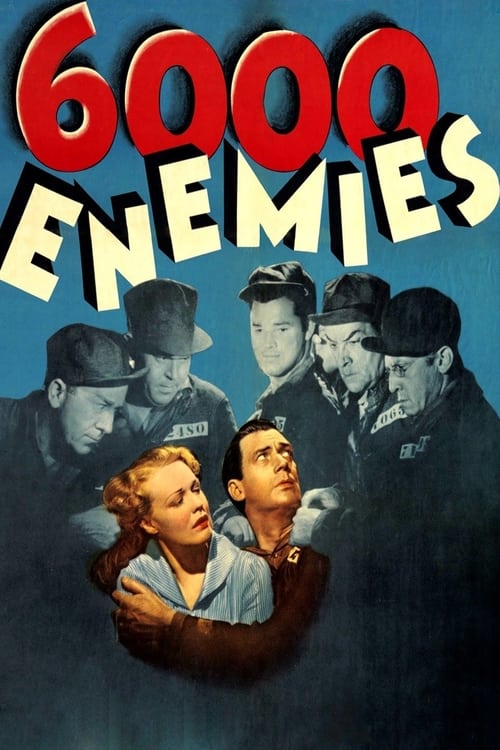
6,000 Enemies
1939
No user ratings available yet
Representation score: 0.4 out of 10

Representation Score
Minimal
1943
ApprovedDirector
Phil Rosen
Runtime
61 minutes
Average Rating
No ratings yetNew Showbiz Analysis
This 1943 crime drama is a quintessential product of its era, prioritizing genre-compliant storytelling over narrative subversion. The film operates within a strictly traditional social structure, focusing on masculine archetypes and the inevitability of legal justice. Representation is minimal, as the film relies on homogeneous casting and rigid gender hierarchies common in 1940s B-movies. It reinforces established social orders rather than exploring multi-layered identities or diverse perspectives.
Category Breakdown
The film follows a traditional mid-century masculine storyline and does not include any non-straight or non-cisgender identities or narratives that challenge the assumption that everyone is straight or cisgender.
The plot is driven by male characters and their interactions within the criminal underworld. Female characters have limited roles and do not play a significant part in driving the story.
The film uses a homogeneous casting approach typical of its time period. It lacks characters from non-white backgrounds in roles of high influence.
The narrative emphasizes traditional Western institutions and the judicial system. It portrays criminal behavior as something to be corrected by legal authority without questioning broader social issues.
There are no characters with visible or invisible disabilities. The film does not address neurodivergence or physical disabilities in its character development.
Present on Screen
Limited or Absent
Official Synopsis
A wild playboy is framed by crooks for a robbery he didn't commit and eventually lands in prison. There he becomes pals with the prison's most hardened criminal, who plans a daring escape.
1939

1941

1949
1938

1940

1940

1936

1939
No reviews yet. Be the first to share your thoughts on this movie!
Use the rating form above to leave a star rating and optional review.