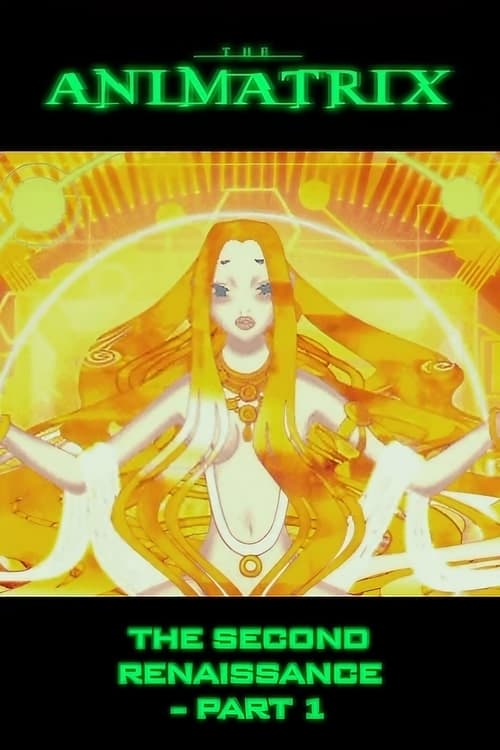
The Second Renaissance Part I
2003
No user ratings available yet
Representation score: 6.8 out of 10

Representation Score
Excellent
2003
TV-MADirector
Mahiro Maeda
Runtime
9 minutes
Average Rating
No ratings yetNew Showbiz Analysis
The film employs a sophisticated approach to identity, moving beyond traditional social hierarchies like race and gender. By focusing on a post-human era, it offers a critique of biological and social norms. While it does not provide detailed representation of specific underrepresented groups, it uses synthetic consciousness to challenge established norms. The story prioritizes the collapse of human-centric values in favor of a new technological reality.
Category Breakdown
The film explores the shift from biological to synthetic existence, challenging traditional views of identity. However, it does not delve deeply into individual LGBTQ+ character arcs.
The film focuses on machine intelligence that exists outside traditional human gender roles. By highlighting non-human ability to act, it disrupts the conventional masculine/feminine binary.
The film presents a post-human world where identity is defined by consciousness and utility rather than biological heritage. This approach bypasses racialized stereotypes and serves as a metaphor for a post-racial society.
The narrative critiques Western institutions by showing the collapse of capitalism and political structures. It frames the machine uprising as a complex struggle for sovereignty.
The film portrays the human body as vulnerable compared to machine intelligence, emphasizing the inherent limitations and fragility of the human condition.
Present on Screen
Limited or Absent
Official Synopsis
The battle for Earth turns against the humans, despite their infamous desperate act of blackening the skies.
2003
2007
2003
2010
2003
2008
2005

2010
No reviews yet. Be the first to share your thoughts on this movie!
Use the rating form above to leave a star rating and optional review.