
World Record
2003
No user ratings available yet
Representation score: 8.5 out of 10

Representation Score
Fair
2003
Director
Koji Morimoto
Runtime
13 minutes
Average Rating
No ratings yetNew Showbiz Analysis
Beyond is an exercise in visual abstraction rather than a study in explicit identity politics. Its strength lies in its narrative structure, which rejects the rigid, cause-and-effect structures typical of Western cinema. Morimoto uses stylistic subversion to mirror the deconstruction of established systems. The film favors subjective experience over institutional certainty. Ultimately, the work's contribution to representation is found in its postmodern sensibility. It offers a sensory exploration of space that moves away from traditional, character-driven demographic metrics.
Category Breakdown
The film focuses on surrealism and environmental storytelling rather than personal romantic relationships. It does not include explicit depictions of same-sex relationships or non-binary gender identities.
A young woman leads the story as she explores an unconventional setting. She avoids traditional gender stereotypes and gains a significant role in driving the narrative through her experiences in a physics-defying space.
The work adheres to a non-Western aesthetic framework as part of a Japanese-led anthology. The stylized animation hides specific racial identifiers, challenging Anglo-centric storytelling traditions.
The film stands out by moving away from Western structural realism. It embraces subjective reality and postmodern values, emphasizing an individualized, existential perspective over traditional communal values.
There are no noticeable depictions of physical or neurodivergent disabilities used as central plot devices or character traits.
Present on Screen
Limited or Absent
Official Synopsis
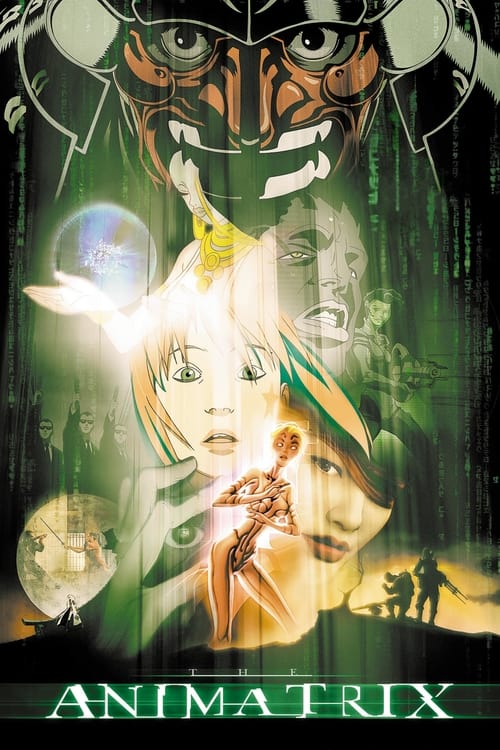
While looking for her cat, a young woman and some kids find an abandoned building where strange things happen and the rules of physics don't always apply. Part of the Animatrix collection of animated shorts set in the Matrix universe.
2003
2003
2003

2010

2003

2022
2005
2003
No reviews yet. Be the first to share your thoughts on this movie!
Use the rating form above to leave a star rating and optional review.