
Patlabor WXIII the Movie
2002
No user ratings available yet
Representation score: 6.8 out of 10

Representation Score
Excellent
2013
TV-MADirector
Kazuchika Kise, Atsushi Takeuchi
Runtime
57 minutes
Average Rating
No ratings yetNew Showbiz Analysis
The film excels at challenging traditional gender hierarchies by featuring a highly capable female protagonist in a high-stakes military setting. Its philosophical framework questions societal structures through the lens of transhumanism. However, the narrative lacks a direct focus on specific underrepresented groups, such as LGBTQ+ characters or distinct ethnic identities. Identity is often explored through cybernetic metaphors rather than direct character representation. Ultimately, the work serves as a sophisticated critique of institutional power, using the concept of the 'Ghost' to explore individual ability to act within a controlled digital landscape.
Category Breakdown
The story centers on paramilitary dynamics and digital consciousness, focusing less on LGBTQ+ identities. Though the genre explores the fluidity of identity, there are no explicit storylines for queer characters.
Motoko Kusanagi challenges traditional gender roles through her tactical intellect and active role in driving the story. The meritocratic structure of Section 9 emphasizes specialized skills over traditional masculine dominance.
In this technologized future, identity is shaped by cybernetic enhancements rather than biological heritage. Socioeconomic disparities in access to these enhancements mirror systemic inequalities.
The narrative critiques state and corporate power by depicting institutions as potentially corrupt. It emphasizes individual ability to act and personal truth over institutional doctrines.
The film presents a world where biological bodies and cybernetic enhancements blur, reframing physical limitations through perpetual augmentation and repair.
Present on Screen
Limited or Absent
Official Synopsis
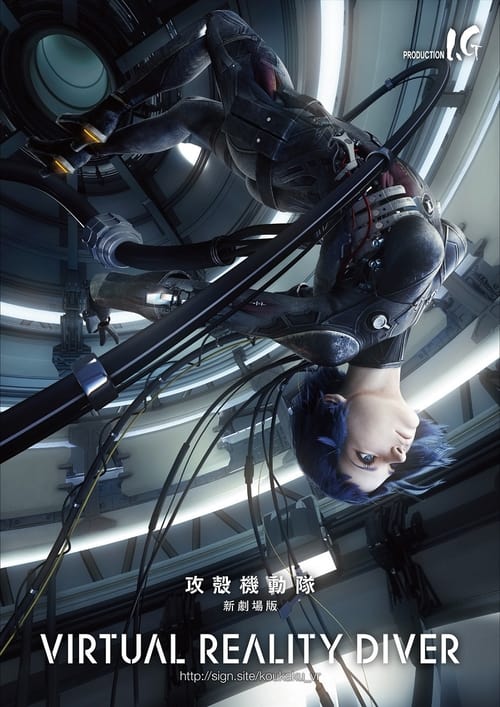
Freed of her responsibilities with the 501 Organization, Motoko Kusanagi must now learn how to take orders from Aramaki. Someone hacks the Logicomas, and Batou enlists the help of former army intelligence officer Ishikawa and former air artillery expert Borma. Kusanagi also seeks to enlist ace sniper Saito and undercover cop Paz into the new Public Security Section 9.
2002

2013

2016

2007

2015
2017

2014

2015
No reviews yet. Be the first to share your thoughts on this movie!
Use the rating form above to leave a star rating and optional review.