
Don Juan Tenorio
1922
No user ratings available yet
Representation score: 1.4 out of 10

Representation Score
Minimal
1908
Director
Alberto Marro, Ricardo de Baños
Runtime
14 minutes
Average Rating
No ratings yetNew Showbiz Analysis
This 1908 adaptation of José Zorrilla’s classic text functions as a traditionalist cinematic artifact. It focuses on the tension between individual transgressions and divine law, reinforcing the cultural norms of its time. The film prioritizes established social and religious hierarchies. Instead of challenging expectations, it centers on the moral authority of religious institutions and conventional gendered courtship. Ultimately, the work lacks complexity in representing multiple aspects of identity. It upholds the status quo of early 20th-century Spanish society rather than deconstructing traditional power dynamics.
Category Breakdown
The film does not include any characters with non-binary or transgender identities. It follows traditional romantic structures common in early 20th-century literature.
The story follows a conventional gender hierarchy focused on courtship. Doña Inés plays a central role in the protagonist's redemption, but the power dynamics remain rooted in traditional male pursuits.
Set in historical Spain, the production reflects the demographic homogeneity of its era. There are no indications of diverse casting that would represent different ethnicities.
The narrative is deeply rooted in Western religious traditions. It emphasizes Christian morality and divine retribution without offering any critique of these social contracts.
There are no characters with physical or cognitive disabilities in the film. Disability is not used as a narrative device within the plot or character arcs.
Present on Screen
Limited or Absent
Official Synopsis
The silent Spanish version of the story of Don Juan Tenorio.
1922

2015

1948

2012
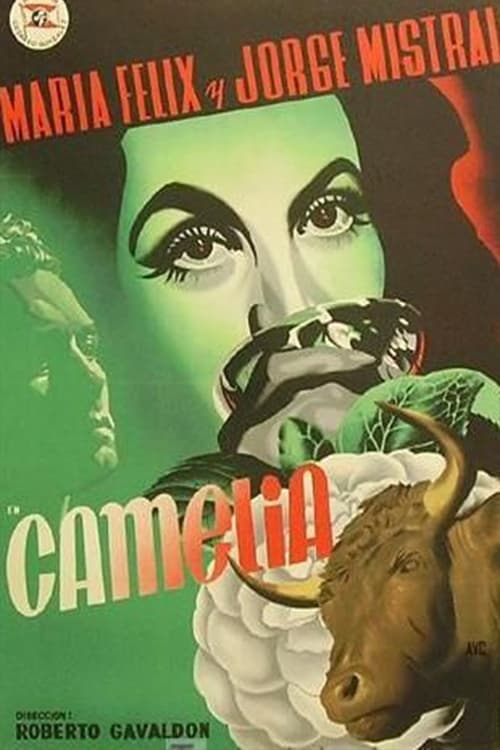
1954

1972
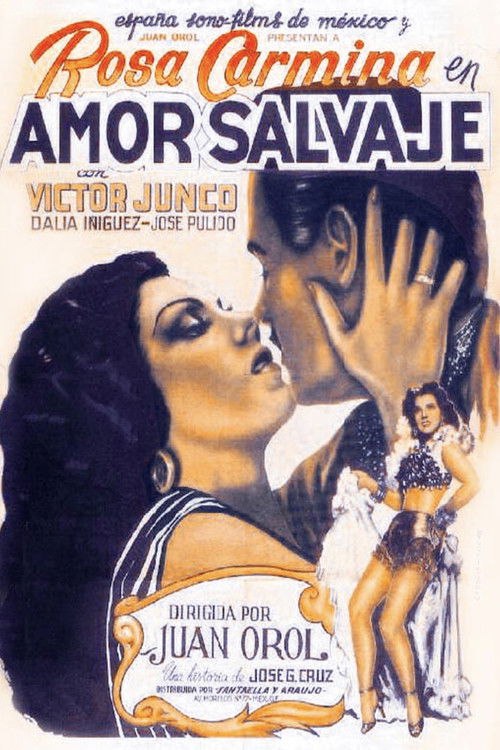
1950
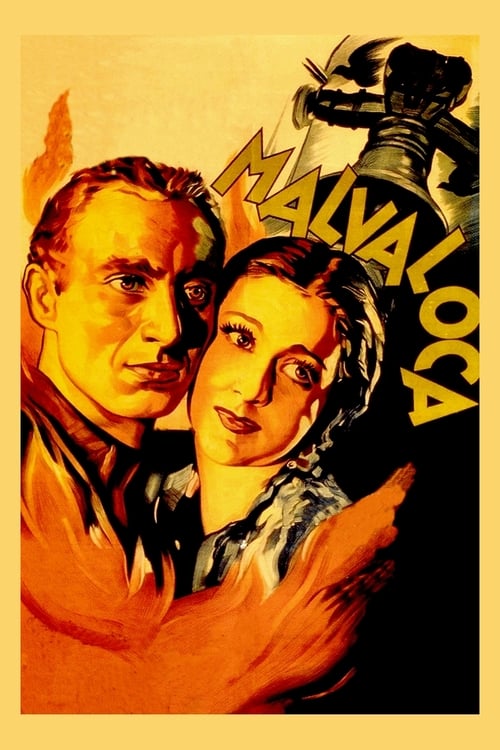
1942
No reviews yet. Be the first to share your thoughts on this movie!
Use the rating form above to leave a star rating and optional review.