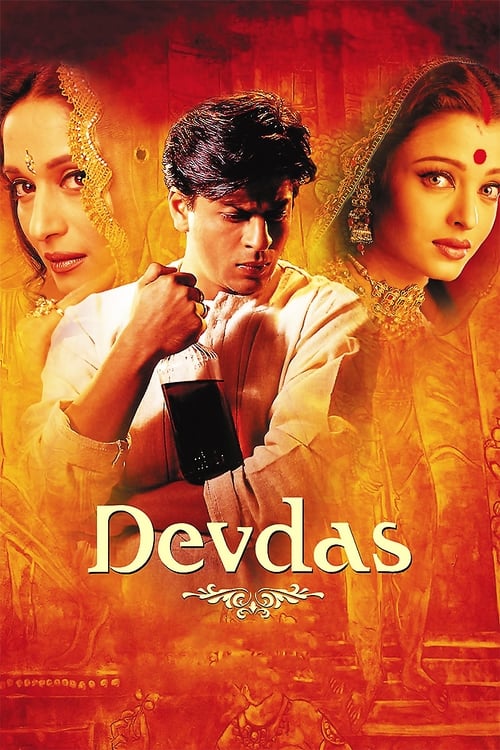
Devdas
2002
No user ratings available yet
Representation score: 3.8 out of 10
Representation Score
Limited
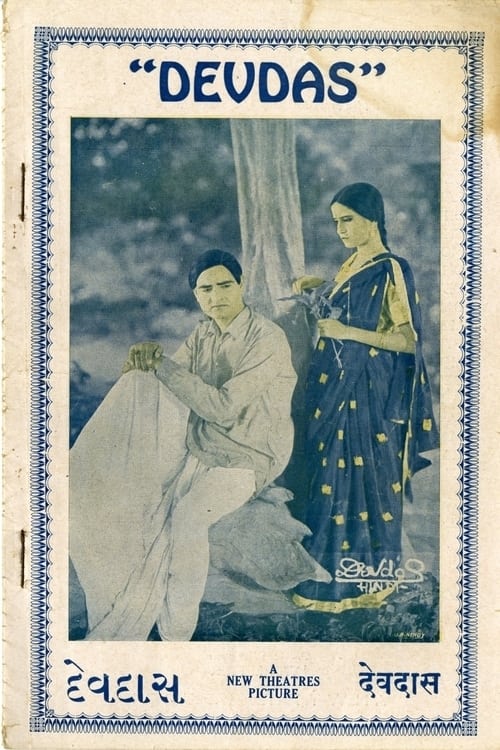
1936
Director
P.C. Barua
Runtime
139 minutes
Average Rating
No ratings yetNew Showbiz Analysis
P.C. Barua’s 1936 drama uses romantic tragedy to critique the rigid social frameworks of colonial-era India. While the film adheres to the era's gender norms, it provides a sophisticated examination of how class and caste systems suppress individual freedom. The film's strength lies in its psychological realism and its critique of oppressive social structures. However, it is limited by its reinforcement of traditional gender hierarchies, where female characters lack autonomy and serve primarily as foils to the male protagonist's struggles.
Category Breakdown
The film focuses solely on heterosexual romance and does not include any queer subtext or characters with non-binary gender identities.
Female characters are defined by their relationships to the male lead and their social status. They lack autonomy, as their lives are controlled by patriarchal structures.
The film features an ethnically homogeneous cast but explores internal social divisions. It looks at identity through the lens of the landed aristocracy and the courtesan class.
The narrative criticizes oppressive social structures like caste and class. It portrays the protagonist's self-destruction as a reaction to the harshness of traditional social hierarchies.
There is no depiction of visible or invisible disabilities as central character traits or plot devices.
Present on Screen
Limited or Absent
Official Synopsis
Devdas, the son of a zamindar, and Parvati, his neighbour's daughter, are childhood sweethearts. However, class and caste differences prevent their marriage. Devdas is sent off to Calcutta, while Paro is married off to an aged rich widower. In Calcutta, as remorse drives him to alcohol, Devdas meets Chandramukhi, a tawaif.
2002
1964
1973

1935
1959

1964

1955

1934
No reviews yet. Be the first to share your thoughts on this movie!
Use the rating form above to leave a star rating and optional review.