Spettacolo
2017
No user ratings available yet
Representation score: 4.5 out of 10
Representation Score
Limited
1961
KTDirector
Luc de Heusch
Runtime
27 minutes
Average Rating
No ratings yetNew Showbiz Analysis
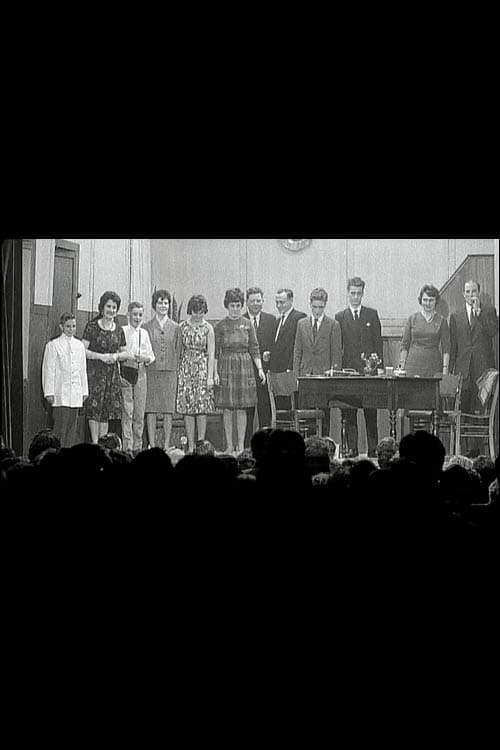
Luc de Heusch’s work functions as a sociological portrait of Moulbaix, prioritizing ethnographic depth over demographic variety. The film succeeds in deconstructing the relationship between the observer and the observed through its ethno-fiction approach. However, the film's narrow focus on a mid-century European village results in a lack of diverse representation. The community depicted is largely homogeneous, reflecting the specific historical and geographical context of 1961 Belgium. Ultimately, the film offers a complex look at communal identity and local culture, but it lacks the breadth of representation found in more contemporary, globalized media.
Category Breakdown
The film captures traditional social interactions within a 1960s Belgian village. While no explicit LGBTQ identities are shown, the amateur theater setting may offer subtle explorations of gender roles.
The documentary examines social dynamics through theatrical performance. It likely captures period-typical hierarchies while potentially showing women navigating public communal life through the medium of theater.
As a sociological study of a specific Belgian village, the community appears ethnically homogeneous. The film focuses on an authentic portrait of a localized European micro-community.
The work highlights local, grassroots traditions over centralized narratives. By focusing on amateur theater, it prioritizes the subjective experiences and control found within communal rituals.
There is no documented evidence regarding the portrayal of physical or neurodivergent disabilities within the film's focus on village theater.
Present on Screen
Limited or Absent
Official Synopsis
Ethno-fiction: a sociological portrait of a small Belgian village, Moulbaix, through the passion for amateur theater.
2017

1961
1999

2006

1968
1967
1964
1939
No reviews yet. Be the first to share your thoughts on this movie!
Use the rating form above to leave a star rating and optional review.