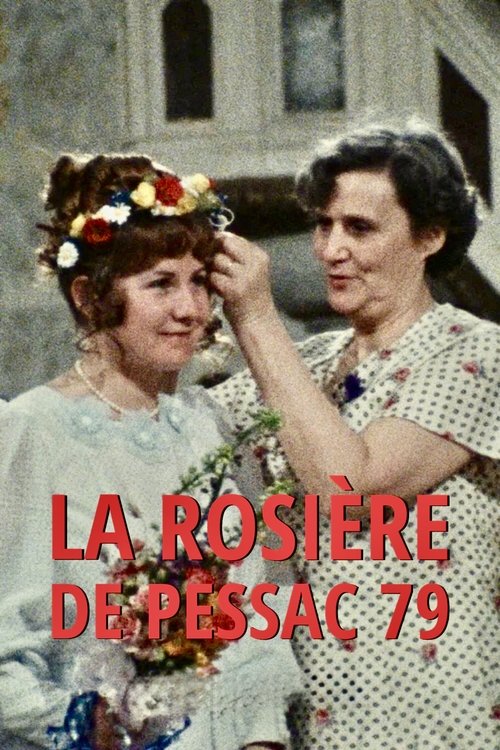
The Virgin of Pessac 79
1979
No user ratings available yet
Representation score: 2.0 out of 10
Representation Score
Fair
1968
Director
Jean Eustache
Runtime
63 minutes
Average Rating
No ratings yetNew Showbiz Analysis
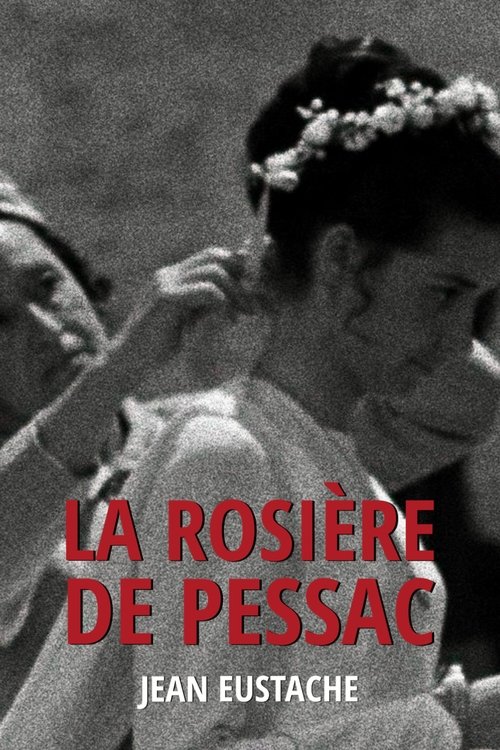
Jean Eustache employs a documentary style to question the sanctity of small-town traditions. By focusing on a contest for a 'virtuous' young woman, the film turns a traditional social hierarchy into a subject of ridicule. The film effectively critiques culture by using satire to expose the performative nature of community morality. However, it remains confined to its historical and geographic context, lacking in racial and LGBTQ+ diversity. The work challenges the structures it observes rather than simply documenting them.
Category Breakdown
The film focuses on a traditional contest for virtue based on straight relationships. Although no queer characters are explicitly mentioned, the satirical tone probably criticizes the strict social norms of the time.
Jean Eustache uses humor to challenge traditional femininity by making fun of the idea of 'virtue.' The film highlights the absurdity behind gendered expectations and purity.
The documentary captures the cultural uniformity of a French village in 1968. There is no indication of a non-white majority cast or intentional racial diversity within this specific location.
The film critically examines provincialism and performative community morality. It breaks down traditional Western institutions by revealing the naivety in local customs and moral hierarchies.
There is no mention of characters with visible or invisible disabilities. The film does not include any representation of individuals with disabilities.
Present on Screen
Limited or Absent
Official Synopsis
This landmark documentary by Jean Eustache, filmed in 1968, hilariously exposes small-town pomposity and naiveté as it chronicles the preparations for an annual contest to crown a village’s most virtuous young woman.
1979
1965
1961
1961
1962
1971
1974
1959
No reviews yet. Be the first to share your thoughts on this movie!
Use the rating form above to leave a star rating and optional review.