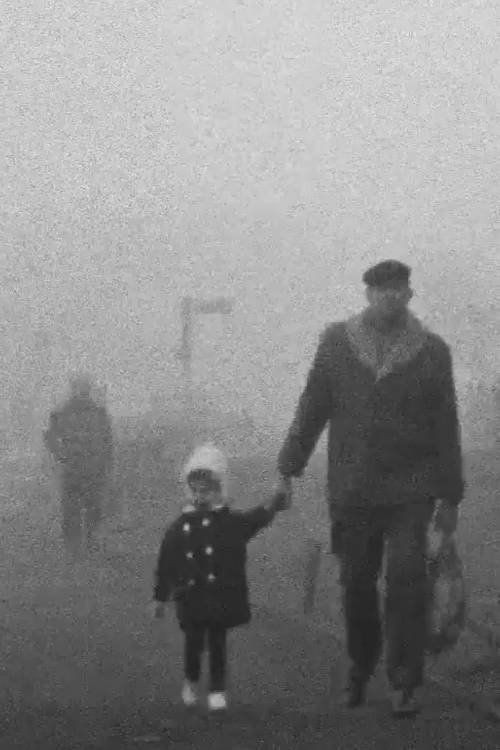
Mülheim on the Ruhr
1964
No user ratings available yet
Representation score: 3.3 out of 10
Representation Score
Minimal
1964
Director
Peter Nestler
Runtime
36 minutes
Average Rating
No ratings yetNew Showbiz Analysis
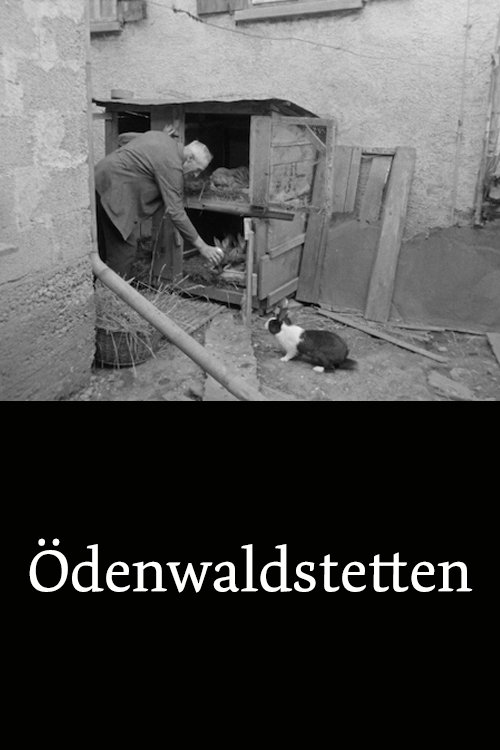
Ödenwaldstetten serves as a snapshot of a specific historical moment. It documents a homogeneous rural community facing the impact of industrialization. The film prioritizes ethnographic observation over the representation of diverse identities. The narrative centers on the conflict between traditional structures and modern shifts. Given its focus on a specific geographic area, it reflects the social hierarchies and demographic limitations of 1960s rural Germany. Ultimately, the work functions as a sociological study of cultural change. It does not aim to challenge identity-based hierarchies or promote progressive values.
Category Breakdown
The film does not include any LGBTQ+ characters or narratives. It reflects the straight-centered social norms of a rural German village in 1964.
The documentary highlights traditional gender roles and the division of labor. There is no indication of challenging gender hierarchies during this period of industrial transition.
The portrait focuses on an ethnically homogeneous South German community. The narrative does not address racial or ethnic diversity, reflecting the demographic reality of the time.
The film captures the tension between traditional practices and modern influences. It functions as a sociological observation of cultural changes rather than an explicit critique of institutions.
There is no evidence suggesting that disability or neurodivergence plays a central role or is explicitly documented within this village portrait.
Present on Screen
Limited or Absent
Official Synopsis
Portrait of a small south German village and its residents in the early sixties. Rural culture is undergoing a transformation caused by the intrusion of the industrial world. Gestures at work and words of its inhabitants.
1964
1965

1963
1939
1965

2020

1961
1970
No reviews yet. Be the first to share your thoughts on this movie!
Use the rating form above to leave a star rating and optional review.