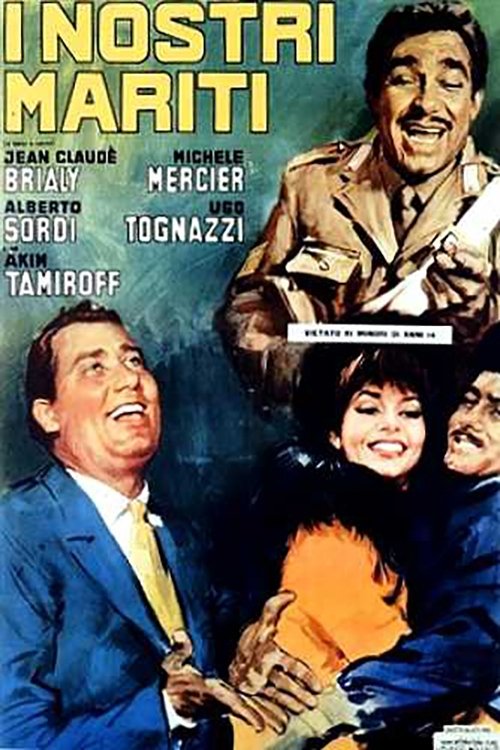
Our Husbands
1966
No user ratings available yet
Representation score: 3.0 out of 10
Representation Score
Minimal
1963
Director
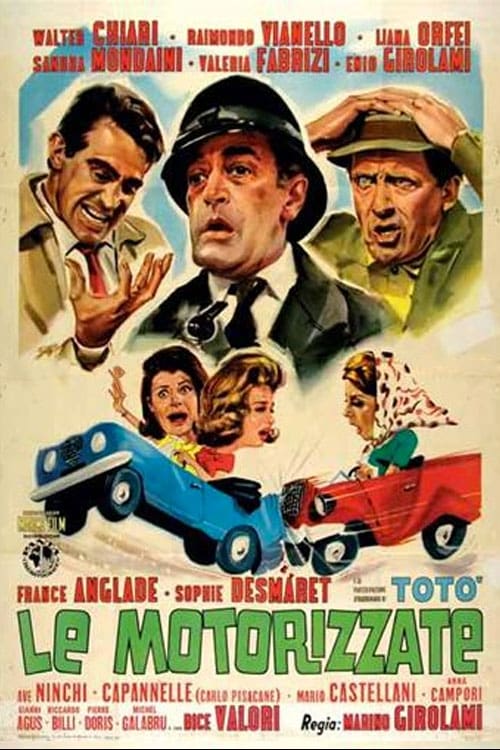
Marino Girolami
Runtime
100 minutes
Average Rating
No ratings yetNew Showbiz Analysis
Marino Girolami’s comedy is a traditional period piece reflecting the social constraints of 1960s Italy. The episodic structure focuses on interpersonal infidelity within marriage, reinforcing conventional social structures rather than challenging them. The film lacks complexity in addressing multiple aspects of identity, relying instead on established thematic clichés of the era. It presents a narrow view of domestic life that aligns with the mid-century Mediterranean status quo. Ultimately, the work serves as a reflection of its time, prioritizing traditional comedic frameworks over progressive social critique or diverse representation.
Category Breakdown
The film does not include non-straight identities or narratives that question the idea that everyone is straight. It centers on marital issues, suggesting a focus on traditional relationships.
The story follows established gender clichés focused on infidelity. Women are often portrayed as objects of pursuit or catalysts for male conflict, reinforcing traditional gender roles.
The film features a homogeneous Mediterranean cast typical of 1963 Italian comedy. There is no indication of a diverse cast that challenges the era's social norms.
The movie adheres to traditional social morals regarding marriage and fidelity. It highlights domestic social norms common to mid-century European cinema without secular critiques.
There is no mention of characters with visible or invisible disabilities within the film's narrative.
Present on Screen
Limited or Absent
Official Synopsis
Five episodes which show Italian peoples pathological unfaithfulness in marriage.
1966
1963
1968
1995
1971
1963
1966
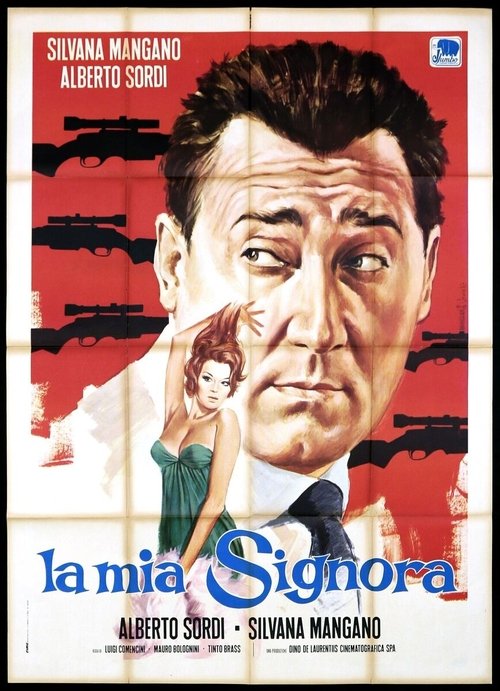
1964
No reviews yet. Be the first to share your thoughts on this movie!
Use the rating form above to leave a star rating and optional review.