
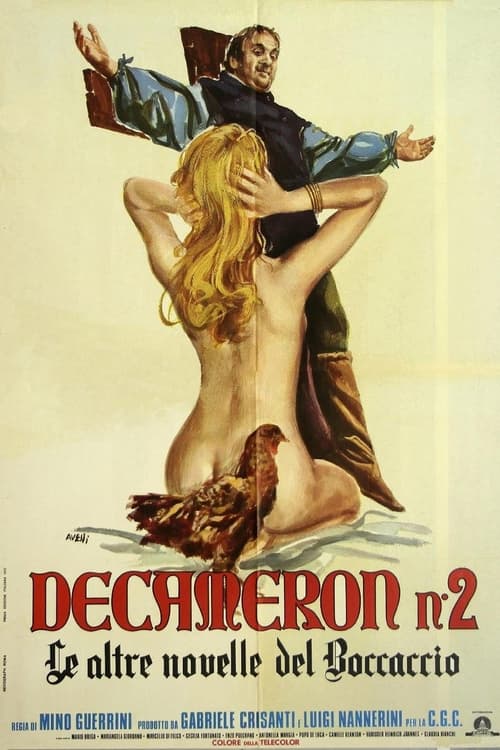
The Last Decameron: Adultery in 7 Easy Lessons
1972
No user ratings available yet
Representation score: 4.5 out of 10
Representation Score
Fair
1972
Director
Mino Guerrini
Runtime
98 minutes
Average Rating
No ratings yetNew Showbiz Analysis
Decameron II is moderately progressive in its narrative structure, focusing on individual experiences rather than institutional rules. It effectively challenges traditional moral hierarchies through humor. However, the film's historical setting and genre constraints limit its diversity, particularly in terms of race and LGBTQ+ representation, keeping its overall score in a middle range.
Category Breakdown
The film emphasizes heterosexual relationships and conquest, without representing non-traditional gender identities or challenging the assumption that everyone is straight. It does not include stories that question the idea that everyone is straight or cisgender.
Female characters use intelligence and cleverness to navigate sexual situations, giving them significant roles in driving the story. This challenges the typical portrayal of women as passive.
The casting reflects the demographics of a medieval Italian setting, with no indication of intentional inclusion of diverse racial backgrounds. The film does not feature actors of different races playing traditionally white roles.
The narrative dismisses traditional religious morality by presenting infidelity and lust as comedic elements. It promotes a secular, relativistic perspective on human behavior.
The film does not focus on characters with visible or invisible disabilities.
Present on Screen
Limited or Absent
Official Synopsis
During a banquet, the diners begin to tell various stories to be happy. All the novels speak of betrayals and erotic adventures
1972
1971

1972
1962
1973
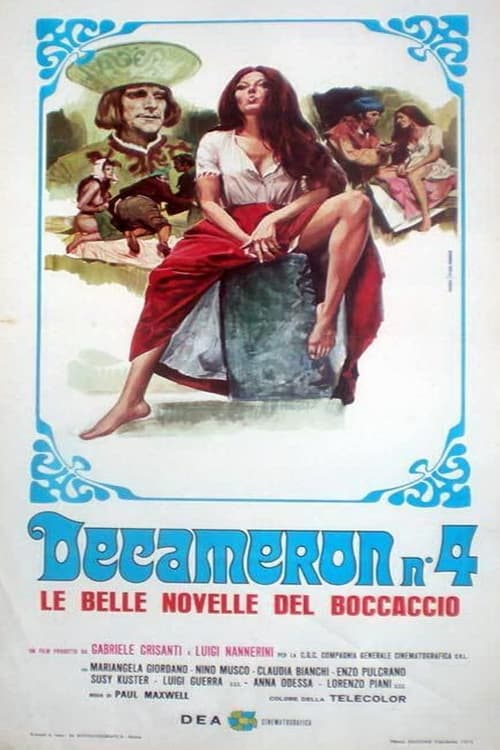
1972

1972

1972
No reviews yet. Be the first to share your thoughts on this movie!
Use the rating form above to leave a star rating and optional review.