Tennis Technique
1932
No user ratings available yet
Representation score: 1.3 out of 10
Representation Score
Minimal
1955
ApprovedDirector
William Deeke
Runtime
8 minutes
Average Rating
No ratings yetNew Showbiz Analysis
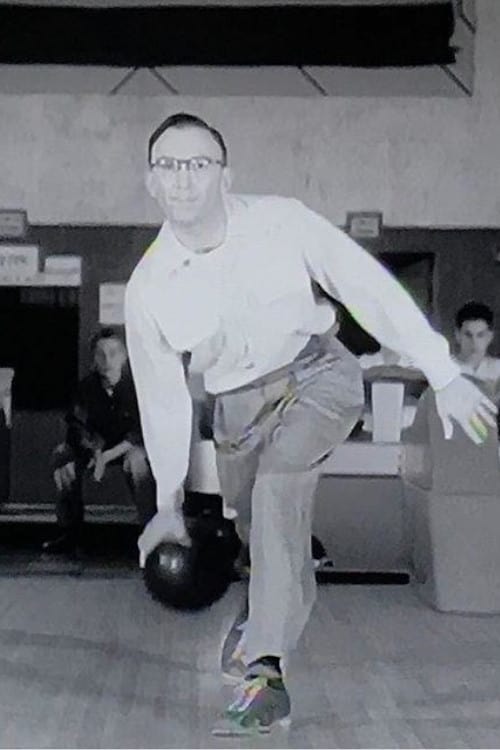
Headpin Hints is a practical instructional documentary from 1955 that emphasizes technical bowling skills over social or narrative elements. Since its main goal is teaching techniques, it does not have a framework for diverse character representation. While the film features a female professional, Sylvia Wene, her presence serves a functional role rather than a progressive one. The production remains tied to the demographic and social norms of its time, presenting a uniform view of the sport. Ultimately, the film's low diversity score stems from its specialized, merit-based instructional format. It does not explore multi-layered themes or challenge the status quo.
Category Breakdown
The film does not include any LGBTQ+ characters or narratives about non-cisgender identities. Its focus on bowling techniques means there are no queer themes.
Sylvia Wene and Lee Jouglard offer instruction, providing some female influence in a sports context. However, the film upholds traditional gender roles without challenging them.
The production reflects the demographic uniformity typical of mid-century media. There is no evidence of non-white participants or diverse casting within the instructional setting.
The content centers on mastering bowling techniques within a conventional Western sporting context. It adheres to standard 1955 social norms without critiquing institutions or cultural practices.
There is no information regarding the inclusion or portrayal of individuals with physical or neurodevelopmental disabilities.
Present on Screen
Limited or Absent
Official Synopsis
Professional bowlers Lee Jouglard and Sylvia Wene give instruction to young bowlers, then show their skill at making difficult spares.
1932
2005
1952
1947
2004
2016
1954
1955
No reviews yet. Be the first to share your thoughts on this movie!
Use the rating form above to leave a star rating and optional review.