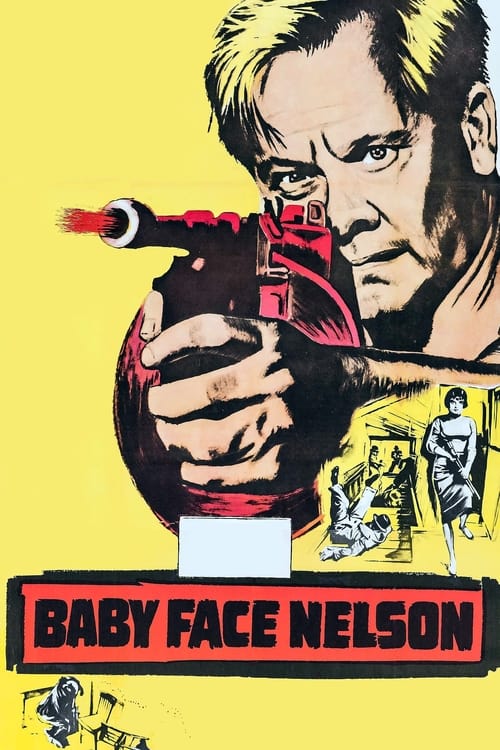
Baby Face Nelson
1957
No user ratings available yet
Representation score: 1.1 out of 10
Representation Score
Minimal
1961
Director
Burt Balaban
Runtime
88 minutes
Average Rating
No ratings yetNew Showbiz Analysis
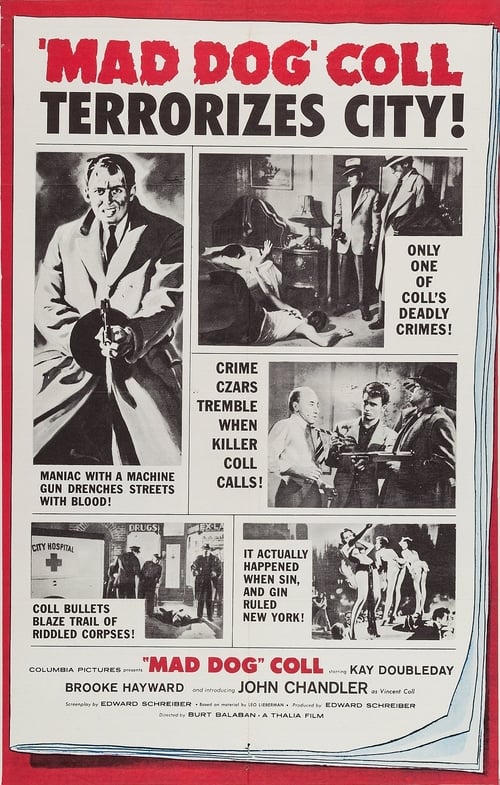
Mad Dog Coll is a traditional crime drama that adheres to the social and cultural norms of the early 1960s. The storytelling follows a straightforward path centered on the rise and fall of a criminal figure, reinforcing standard morality without questioning systemic power structures. The film offers a narrow perspective of 1920s New York, avoiding any disruption of established demographic or narrative norms.
Category Breakdown
The film does not depict any LGBTQ+ identities or hint at them through subtext. The social environment is strictly assumed to be heterosexual and cisgender.
The narrative primarily centers around male characters engaged in power struggles. Female characters are mostly passive and play minor roles without much influence over the plot.
The cast is predominantly white, reflecting the homogeneity typical of 1960s crime dramas. There is no multicultural representation.
The storyline operates within a traditional Western framework focused on justice. It does not critique capitalism, religion, or the nation-state.
The film does not include any characters with visible or invisible disabilities. The narrative emphasizes physical abilities and criminal activities.
Present on Screen
Limited or Absent
Official Synopsis
Killer Vincent "Mad Dog" Coll moves in on gangster Dutch Schultz in 1920s New York.
1957
1972
1961

1932
1960
1972
1974
1961
No reviews yet. Be the first to share your thoughts on this movie!
Use the rating form above to leave a star rating and optional review.