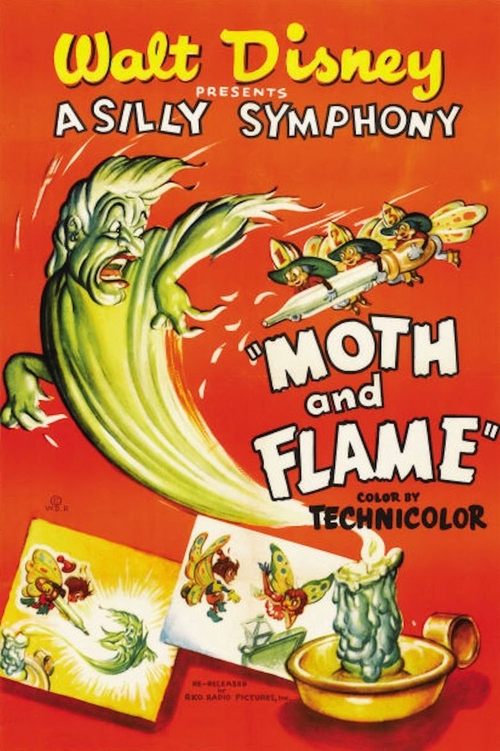
Moth and the Flame
1938
No user ratings available yet
Representation score: 0.2 out of 10
Representation Score
Minimal
1932
NRDirector
Burt Gillett
Runtime
7 minutes
Average Rating
No ratings yetNew Showbiz Analysis
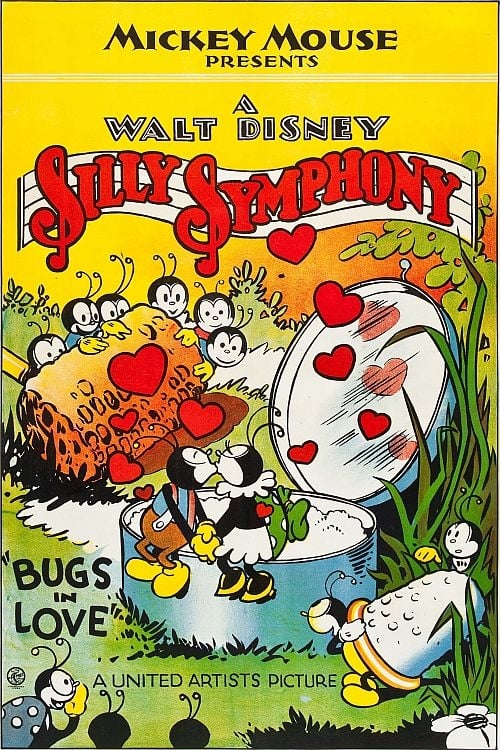
Bugs in Love functions primarily as a piece of slapstick entertainment, relying on traditional narrative structures and lacking the intentionality to challenge social hierarchies or provide diverse representation. The film's focus remains on physical comedy and basic survival clichés, with a narrative arc centered on a predator disrupting intimacy. The work reflects the standards of non-human character studies from the 1930s, prioritizing high-energy movement over social complexity.
Category Breakdown
The film focuses on 'love bugs' engaging in courtship. These interactions follow traditional patterns assuming everyone is straight or cisgender, with no depiction of non-binary or LGBTQ+ identities.
Characters follow a traditional gendered binary, with a male bug pursuing intimacy and a female bug being pursued. The narrative lacks any challenge to these established hierarchies.
As an anthropomorphic animation featuring insects, the film lacks human racial or ethnic markers. Characters exist in a biological vacuum without ethnic identity.
The story emphasizes communal cohesion against a predator. It does not engage with broader cultural critiques or the deconstruction of specific institutions.
There is no evidence of characters with visible or invisible disabilities. No such traits are utilized as narrative devices within the film.
Present on Screen
Limited or Absent
Official Synopsis
Insects have made a playground/carnival out of castoffs, featuring "ice skating" on mirrors. Two love bugs head off to a more private area. But their fun is interrupted when a crow comes by. He bottles up the male bug and chases the female into her home. The male bug escapes in the nick of time, and another bug notices the battle and rallies the rest of the bugs to attack, which they do, using false teeth, an eggbeater, a mousetrap, castor oil, and other things.
1938
1931
1940
1932
1934

1933
1942
1948
No reviews yet. Be the first to share your thoughts on this movie!
Use the rating form above to leave a star rating and optional review.