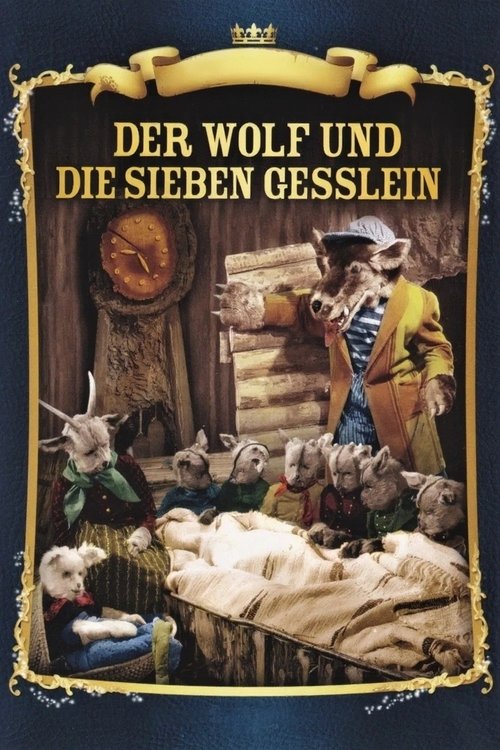
The Wolf and the Seven Little Goats
1957
No user ratings available yet
Representation score: 1.2 out of 10
Representation Score
Minimal
1976
Director
Elisabeta Bostan
Runtime
88 minutes
Average Rating
No ratings yetNew Showbiz Analysis
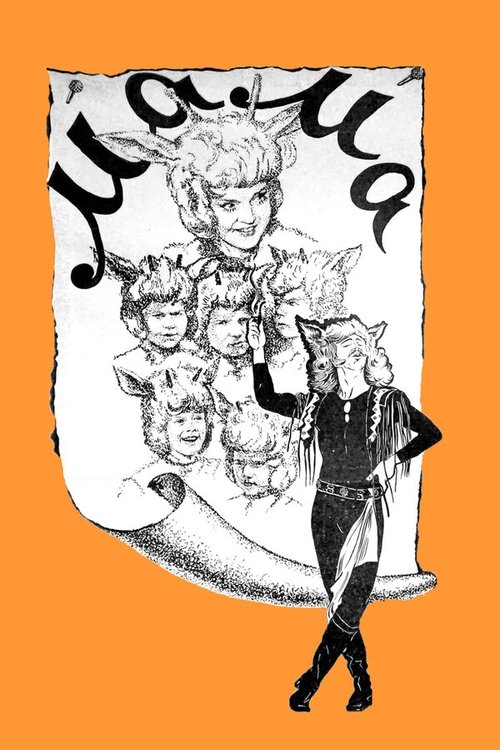
Mama (1976) is a traditional fable that prioritizes moral clarity and social cohesion. The narrative follows a classic cautionary structure, emphasizing the importance of familial obedience and the preservation of the nuclear family unit. The film upholds established social hierarchies rather than challenging them. By focusing on the archetypal conflict between a protective mother and predatory outsiders, the story upholds conventional domestic roles and traditional folk values. Because the characters are anthropomorphic animals, the film avoids human racial markers and complex identity politics. It functions as a straightforward moral lesson centered on the consequences of deviating from parental authority.
Category Breakdown
The film centers on a maternal goat and her offspring, with no depiction of non-traditional gender identities or critiques of the assumption that everyone is straight or cisgender.
Mrs. Rada embodies traditional gender roles as a domestic protector. She holds authority but her role aligns with mid-century depictions of motherhood.
The use of anthropomorphic animals avoids human racial markers. The narrative follows a standard allegorical framework without exploring the way different parts of someone's identity overlap.
The story emphasizes traditional folk values and the sanctity of the family unit. It reinforces social stability through lessons on parental obedience.
There are no visible or invisible disabilities portrayed. No characters are defined by neurodivergence or physical impairment.
Present on Screen
Limited or Absent
Official Synopsis
Mrs. Rada the Goat tells her five children to behave while she goes to the fair, and under no circumstances open the door to anyone except her. But the Big Bad Wolf, Kostika (Titi) Suru, and his nephew, the Little Bad Wolf, along with friends Rassul the Lynx and Petrika the Donkey has made a plan to kidnap the children while their mother is away. And when the eldest child, Matei, decides to disobey his mother and visit the fair himself, things start to go badly for the goat-family.
1957
1984
1962
1973
No reviews yet. Be the first to share your thoughts on this movie!
Use the rating form above to leave a star rating and optional review.