
The Lion Child
1993
No user ratings available yet
Representation score: 4.8 out of 10
Representation Score
Fair
1984
Not RatedDirector
Tage Danielsson
Runtime
126 minutes
Average Rating
No ratings yetNew Showbiz Analysis
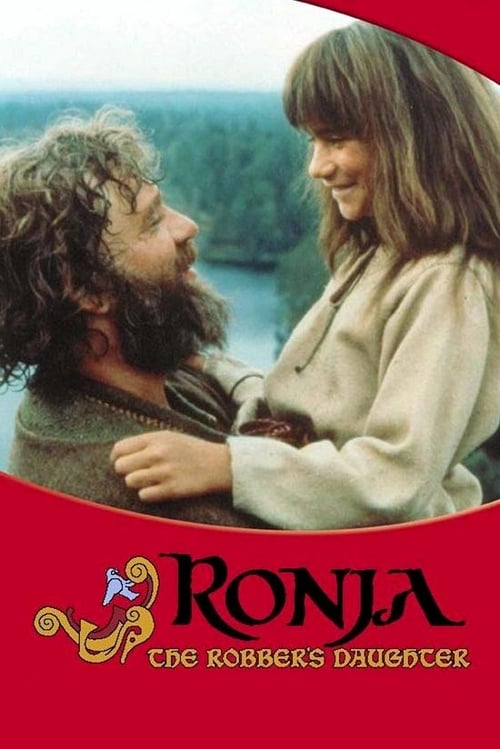
Ronia: The Robber's Daughter is a progressive coming-of-age story that highlights individual autonomy. By focusing on a girl who defies patriarchal authority, the film successfully challenges traditional gender hierarchies. The narrative explores systemic issues by examining the breakdown of inherited tribalism. The children's bond serves as a catalyst for disrupting oppressive, ancestral cycles of conflict. While the film lacks modern markers of diversity such as LGBTQ+ representation or racial diversity, its emphasis on individual autonomy and situational ethics offers a sophisticated social critique.
Category Breakdown
The story focuses on a platonic friendship between two young characters. There is no visible representation of LGBTQ+ identities or subtext.
Ronia is a strong and independent protagonist who resists her father's patriarchal influence. Her autonomy drives the plot, challenging traditional passive female roles.
The cast is predominantly homogenous within the Scandinavian fantasy setting. However, non-human species serve as metaphorical representations of 'the other' in the narrative.
The film critiques rigid tribalism and ancestral feuds. It emphasizes the children's subjective morality over the irrational, systemic conflicts maintained by their fathers.
There are no prominent depictions of physical or neurodivergent disabilities that play central roles in the story.
Present on Screen
Limited or Absent
Official Synopsis
Ronia lives happily in her father's castle until she comes across a new playmate, Birk, in the nearby dark forest. The two explore the wilderness, braving dangerous Witchbirds and Rump-Gnomes. But when their families find out Birk and Ronia have been playing together, they forbid them to see each other again. Indeed, their fathers are competing robber chieftains and bitter enemies. Now the two spunky children must try to tear down the barriers that have kept their families apart for so long.
1993
1977

1987

1957

2011
1992
2016

1953
No reviews yet. Be the first to share your thoughts on this movie!
Use the rating form above to leave a star rating and optional review.