The Story of Babar, the Little Elephant
1968
No user ratings available yet
Representation score: 1.9 out of 10
Representation Score
Minimal
1957
Director
Peter Podehl
Runtime
53 minutes
Average Rating
No ratings yetNew Showbiz Analysis
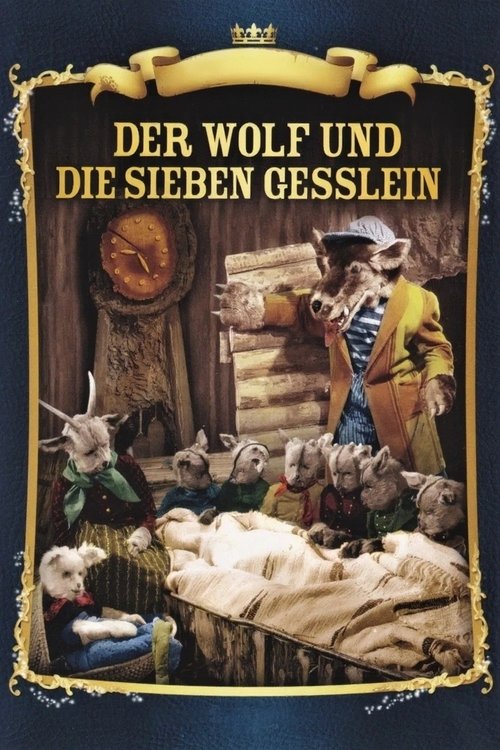
This 1957 animation is a traditional moral fable that emphasizes domestic stability and established social hierarchies. It exemplifies mid-century folkloric storytelling, focusing on protecting the nuclear family from external threats. While the film lacks diversity in terms of race, sexuality, and disability, it slightly subverts traditional gender roles. The Mother Goat is an active, intelligent protagonist who resolves the conflict. Overall, the film's structure is designed to uphold conventional cultural norms rather than challenge them, rewarding obedience and reinforcing a singular moral hierarchy.
Category Breakdown
The film does not depict any non-straight relationships. The character dynamics focus solely on a traditional mother-child relationship without any queer undertones.
The Mother Goat serves as a strong, active protagonist with significant intellect. However, the story remains centered around traditional gender roles emphasizing maternal instincts.
As an anthropomorphic animation, the film lacks human racial identifiers. It follows a homogeneous, Eurocentric folklore tradition without multicultural representation.
The narrative upholds Western values regarding parental authority and family unity. It celebrates the preservation of the traditional nuclear family structure.
There are no representations of physical or neurodivergent disabilities. Characters are portrayed as archetypes of health and predatory strength.
Present on Screen
Limited or Absent
Official Synopsis
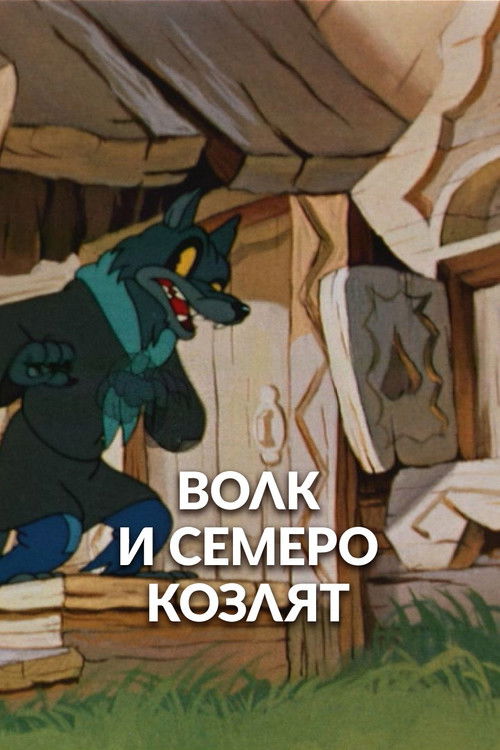
One goat had seven young goats, whom she loved as only a mother can love her children. One day, when she had a few errands to run, the little ones had to promise her firmly not to open the door to anyone. As soon as the mother was out of the house, the bad wolf knocked. But the clever seven little goats did not let him in, as their mother had instructed them. But the wolf did not give up so easily and immediately concocted a cunning plan to outwit the little goats and enter the house.
1968

2017
1976
1966
1979
1957
1957
2006
No reviews yet. Be the first to share your thoughts on this movie!
Use the rating form above to leave a star rating and optional review.