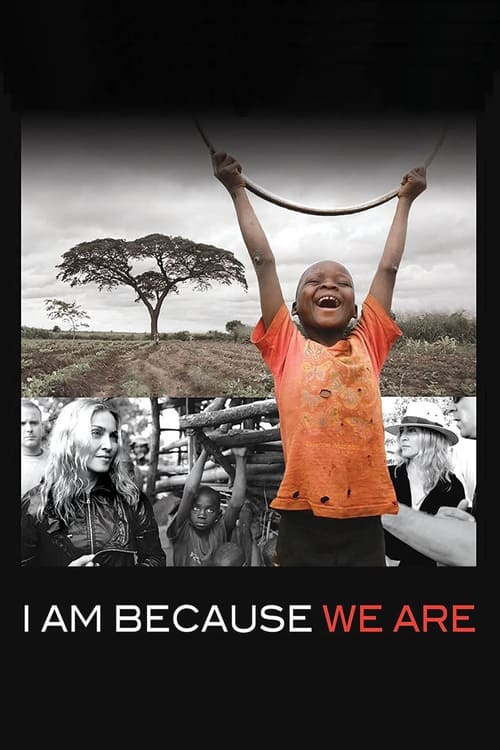
I Am Because We Are
2008
No user ratings available yet
Representation score: 8.6 out of 10
Representation Score
Limited
2006
PGDirector
Paul Taylor
Runtime
86 minutes
Average Rating
No ratings yetNew Showbiz Analysis
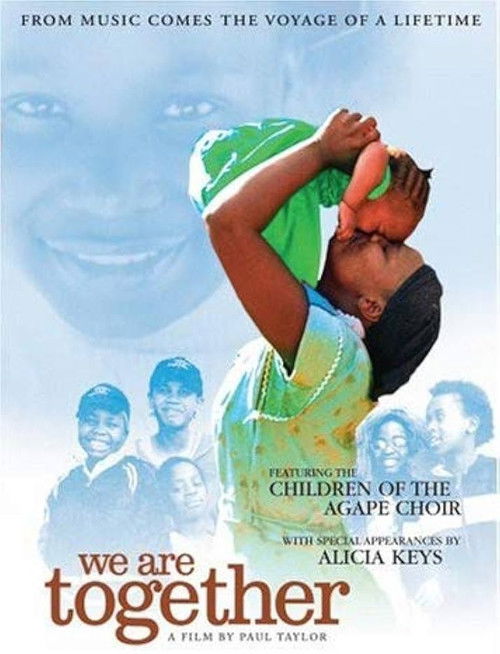
We Are Together succeeds by authentically centering Black South African voices. Through its focus on the lived experiences of Slindile and her peers at the Agape orphanage, the documentary provides insight into communal resilience and non-Western social structures. While the film offers strong racial and ethnic representation, it lacks clarity regarding other multi-layered identities. Its observational nature means it documents existing social realities rather than intentionally challenging specific clichés like gender hierarchies or LGBTQ+ narratives. Ultimately, the film presents a meaningful portrait of underrepresented youth, shifting the lens away from Western-centric perspectives toward a more localized, collective human experience.
Category Breakdown
The documentary does not provide evidence of LGBTQ+ characters or narratives. The focus remains on the communal and developmental lives of children in an orphanage setting.
The documentary centers around Slindile, a young female who play a significant role in driving the story. However, it is unclear whether the film actively challenges traditional gender roles or merely documents existing social dynamics.
The film features a predominantly Black South African cast, highlighting the high ability to act of characters of color. This approach shifts the focus away from Western-centric narratives.
The narrative explores South African communal structures, emphasizing collective care and the systemic social realities faced by children in an orphanage.
There is no specific information regarding the portrayal of visible or invisible disabilities. The film's focus on orphaned children does not explicitly confirm disability representation.
Present on Screen
Limited or Absent
Official Synopsis
Tells the moving and inspiring story of 12 year old Slindile and her remarkable friends at the Agape orphanage in South Africa.
2008
2010
2005
2002
2012
2004
2019
2007
No reviews yet. Be the first to share your thoughts on this movie!
Use the rating form above to leave a star rating and optional review.