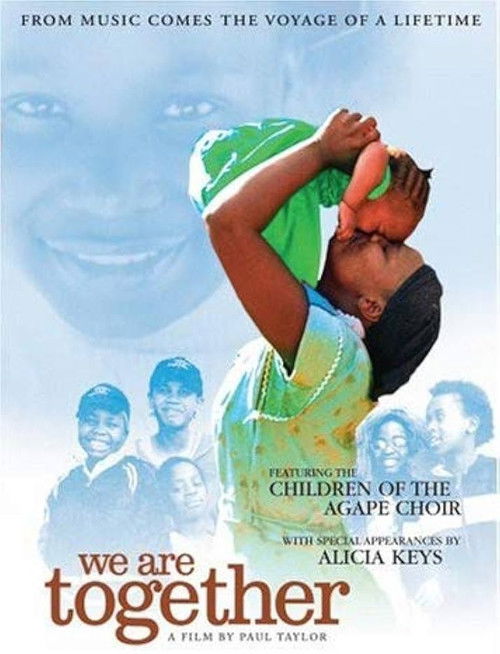
We Are Together
2006
No user ratings available yet
Representation score: 4.0 out of 10

Representation Score
Excellent
2008
Not RatedDirector
Nathan Rissman
Runtime
86 minutes
Average Rating
No ratings yetNew Showbiz Analysis
I Am Because We Are succeeds by centering the lived experiences of Malawian orphans, effectively deconstructing the 'white savior' cliché through a focus on local ability to act. The film's strength lies in its cultural critique of Western-centric views on poverty and global health crises. However, the documentary lacks specific visibility regarding LGBTQ+ identities and certain nuances of gendered character arcs. While it addresses the systemic vulnerabilities caused by the AIDS pandemic, it remains somewhat neutral on specific identity-based representation beyond the broader health crisis.
Category Breakdown
The film focuses on the socio-economic impacts of the AIDS pandemic in Malawi. It does not explicitly detail specific LGBTQ+ identities or non-cisgender character arcs.
The narrative examines domestic structures and the loss of parental figures. This often forces children into caretaking roles that bypass traditional patriarchal hierarchies.
The documentary achieves exceptional representation by centering a predominantly Black, non-Western cast. It prioritizes local ability to act to disrupt common Western-centric humanitarian clichés.
The film emphasizes communal survival and collective identity over individualistic models. It critiques global power dynamics and the limitations of Western aid structures.
The story addresses the intersection of health crises and physical or mental vulnerability. It explores the lived experience of navigating trauma and illness.
Present on Screen
Limited or Absent
Official Synopsis
A look into the lives of Malawi's 1 million plus orphans in the wake of the AIDS pandemic. It offers hope and real solutions to the challenges that people face living in extreme poverty.
2006

2010

2006
2004

2001

2019
2011
2013
No reviews yet. Be the first to share your thoughts on this movie!
Use the rating form above to leave a star rating and optional review.