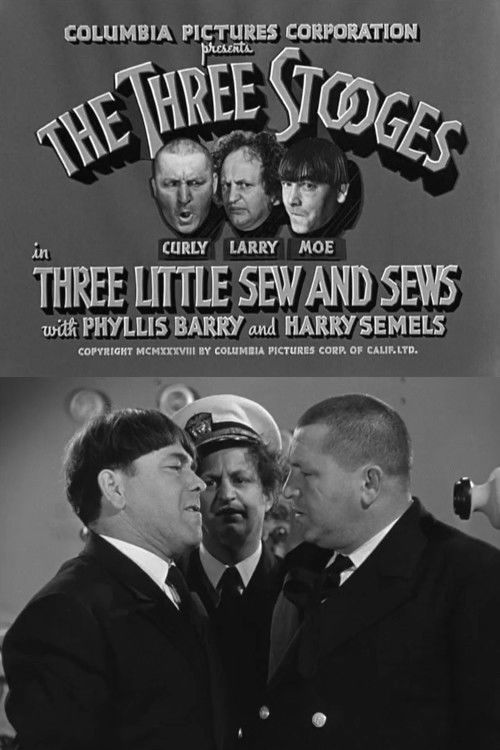
Three Little Sew and Sews
1939
No user ratings available yet
Diversity score: 1.8 out of 10
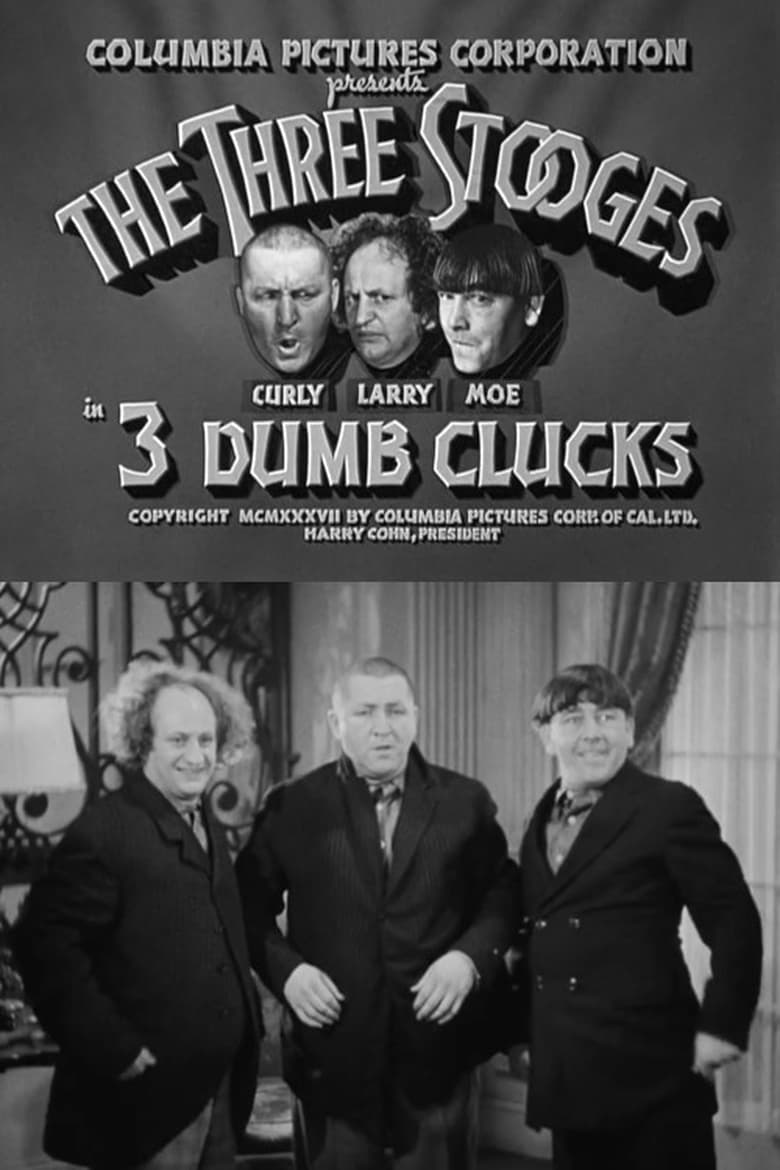
1937
NRDirector
Del Lord
Runtime
17 minutes
Average Rating
No ratings yetSynopsis
The stooges escape from jail when they learn their father, who has just become rich, is planning to leave their mother and marry a young girl. Curly is mistaken for the stooges father (he plays both parts) and marries the girl instead. When they learn that she is working with gangsters who plan to kill their father for his money, they escape and take their father with them.
Overall Score
Minimal
Category Breakdown
LGBTQ+ Representation
The story centers on traditional heteronormative structures like marriage and family lineage. No non-cisnormative identities or critiques of these norms are present.
Gender Representation
Women function primarily as plot catalysts, such as the young bride or the gangster's associate. The film relies on 1930s slapstick tropes rather than deconstructing masculinity.
Racial & Ethnic Diversity
The cast appears to be a homogeneous group centered on a standard Western familial unit. There is no indication of racial blending or diverse casting.
Religious & Cultural Diversity
The narrative focuses on Western values, specifically protecting the nuclear family and pursuing wealth. Criminal elements are framed as external threats to this family unit.
Disability Representation
No characters with visible or invisible disabilities are portrayed with agency. The film lacks any evidence of neurodivergent or disabled representation.
Strengths
Areas for Improvement
AI Analysis
This 1937 comedy operates within the rigid archetypes of early slapstick cinema. The plot prioritizes situational chaos and physical comedy over any meaningful exploration of identity or social hierarchy. Representation is minimal, as the film adheres to the conventional Western family structures and gender roles of its era. The narrative focuses on protecting kin and navigating romantic tropes rather than challenging systemic norms. Ultimately, the film serves as a period-specific comedy that lacks the intentionality to disrupt social or identity-based hierarchies.
1939
1940
1938
1939
1935
1938
1942
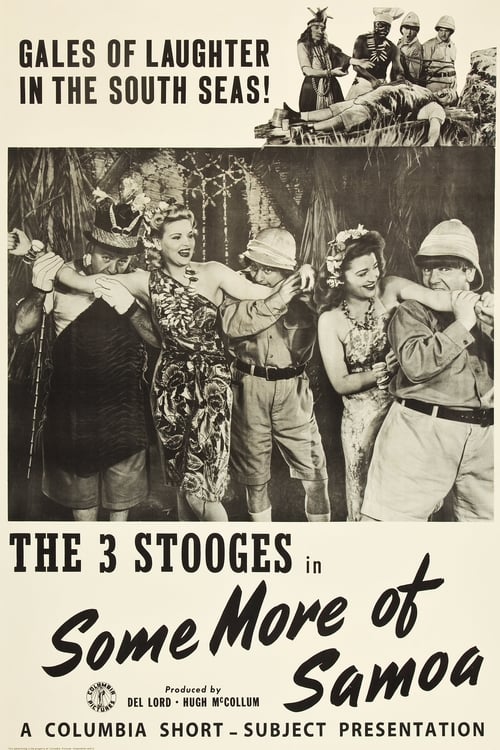
1941
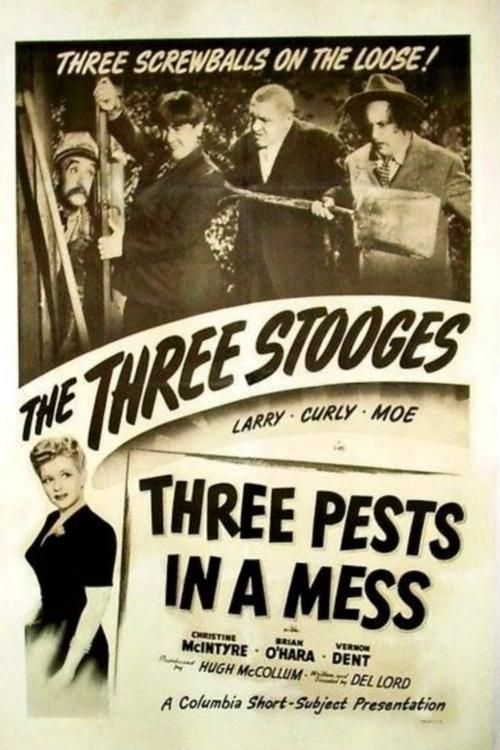
1945
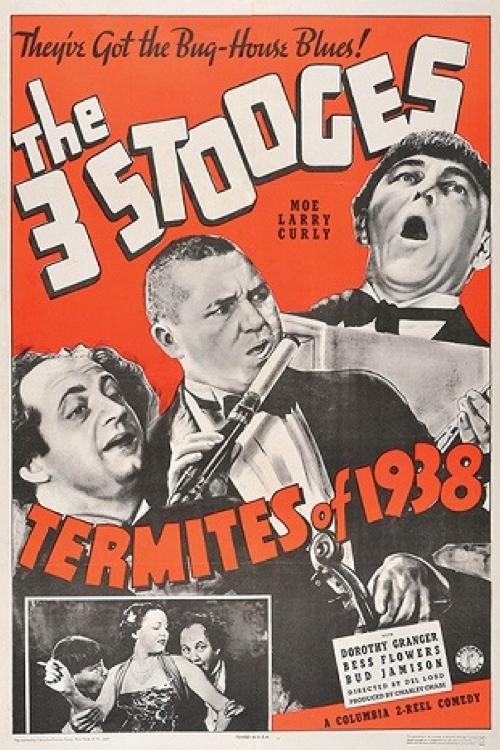
1938
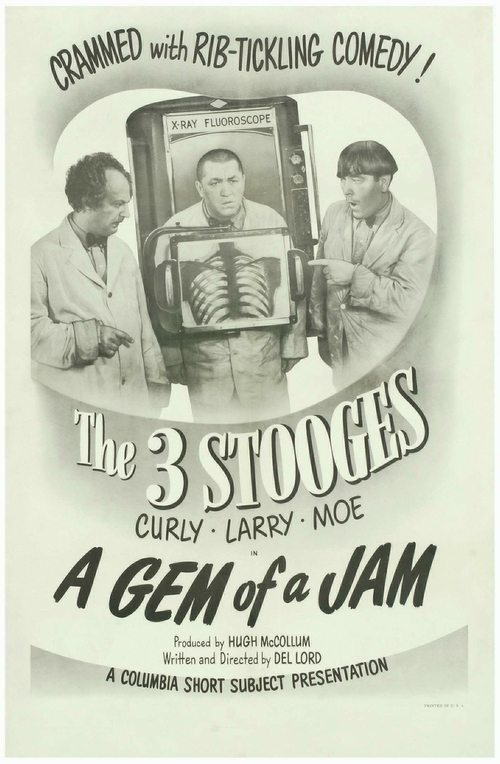
1943
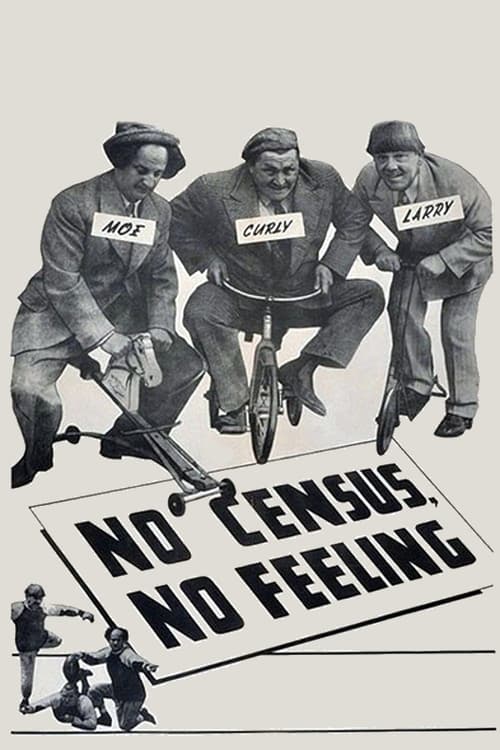
1940
No reviews yet. Be the first to share your thoughts on this movie!
Use the rating form above to leave a star rating and optional review.