
Tigertail
2020
No user ratings available yet
Representation score: 5.4 out of 10

Representation Score
Good
2018
Director
Hsiao Ya-chuan
Runtime
115 minutes
Average Rating
No ratings yetNew Showbiz Analysis
Father to Son is a contemplative drama that dismantles the traditional family unit through the lens of mortality and historical grievances. It shifts focus from rigid social structures to the emotional complexities of kinship and reconciliation. The film stands out by challenging the archetype of the infallible male authority figure. By centering on a man facing terminal illness and grappling with the consequences of his past actions, it portrays a more vulnerable, searching protagonist.
Category Breakdown
The film doesn't explicitly depict queer identities or same-sex intimacy. However, it explores mysterious connections and non-traditional relationships, suggesting a space open to diverse human connections.
The story challenges traditional masculine archetypes by focusing on a patriarch's vulnerability and emotional struggles. Instead of a stoic leader, the protagonist is defined by his illness and the emotional impact of his past actions.
The narrative spans Taiwan, Japan, and Hong Kong, offering a nuanced view of identity that goes beyond a single national perspective. This transnational movement provides a rich, multifaceted cultural backdrop.
The film questions the sanctity of the traditional patriarchal family through a journey of self-discovery. It prioritizes individual emotional growth and personal truth over social norms and institutional stability.
A terminal illness serves as the central catalyst for the protagonist's psychological evolution. The narrative uses the physical vulnerability caused by the illness to drive character development, rather than using it merely as a plot device.
Present on Screen
Limited or Absent
Official Synopsis
On his 60th birthday, Van is told that he is seriously ill. But instead of going to Taipei for treatment, his illness leads him to Japan. Together with his son, he goes in search of the father who abandoned him 50 years ago. At the same time, a young man with a mysterious connection to Van's past is travelling from Hong Kong to Taiwan.
2020

1985

2005

1985
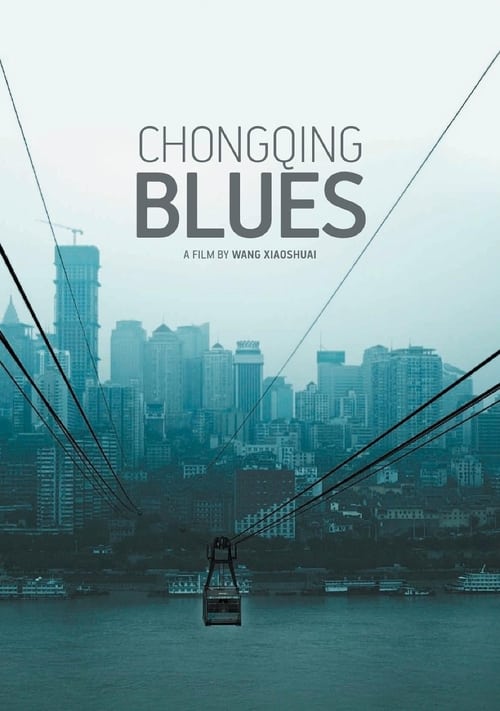
2010

2018

2018

2018
No reviews yet. Be the first to share your thoughts on this movie!
Use the rating form above to leave a star rating and optional review.