Symphonie D'Amour
1936
No user ratings available yet
Representation score: 1.6 out of 10
Representation Score
Fair
2015
RDirector
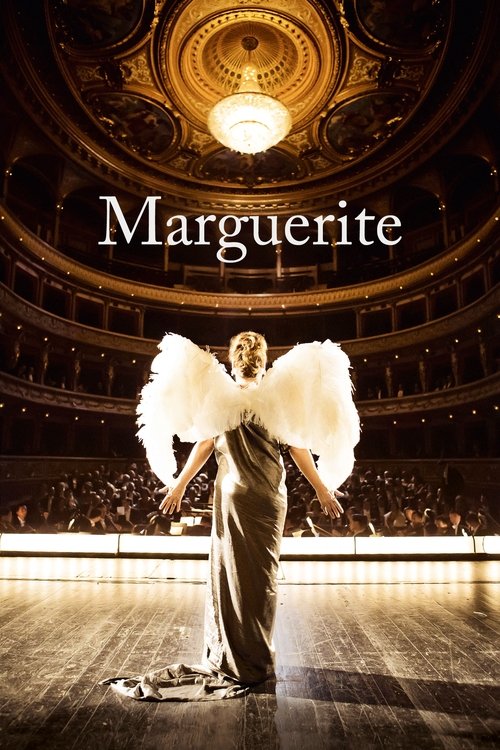
Xavier Giannoli
Runtime
127 minutes
Average Rating
No ratings yetNew Showbiz Analysis
Marguerite is a character study that prioritizes the deconstruction of gendered power dynamics over broad demographic representation. The film presents a female protagonist who plays a significant role in driving the story, challenging conventional gender hierarchies. However, the film's scope is narrow. The focus on the internal psychological landscape of the white European upper class results in a lack of racial and LGBTQ+ diversity. The narrative remains confined to traditional romantic frameworks and a homogeneous social setting. Ultimately, the film explores the 'self' as a performance. While it challenges social hierarchies and the expectations of aging, its lack of diverse identities keeps the overall representation limited.
Category Breakdown
The film centers on a heterosexual relationship between Marguerite and her companion, without addressing non-cisgender identities or critiques of heteronormativity.
Marguerite challenges traditional gender roles by holding significant financial and social authority, which drives the plot as she seeks artistic validation and disrupts patriarchal structures.
The cast is predominantly homogeneous, reflecting the historical context of the French elite. The narrative focuses solely on the psychological landscape of the white European upper class.
The story critiques Western celebrity culture and the superficiality of aestheticism. It examines the protagonist's detachment from social norms and the rigid expectations placed on aging women.
There are no prominent depictions of physical or neurodivergent disabilities. The social circle's inability to critique Marguerite's singing symbolizes social artifice rather than disability.
Present on Screen
Limited or Absent
Official Synopsis
Paris in the 1920s. Marguerite Dumont is a wealthy woman with a passion for music and the opera. For years, she has performed regularly for a circle of guests. But Marguerite sings tragically out of tune and no one has ever told her. Her husband and her close friends have always encouraged her in her illusions. Things become very complicated the day she gets it into her head to perform in front of a genuine public, at the Opera.
1936
1955
2022

2006
1986
1952

2022
2024
No reviews yet. Be the first to share your thoughts on this movie!
Use the rating form above to leave a star rating and optional review.