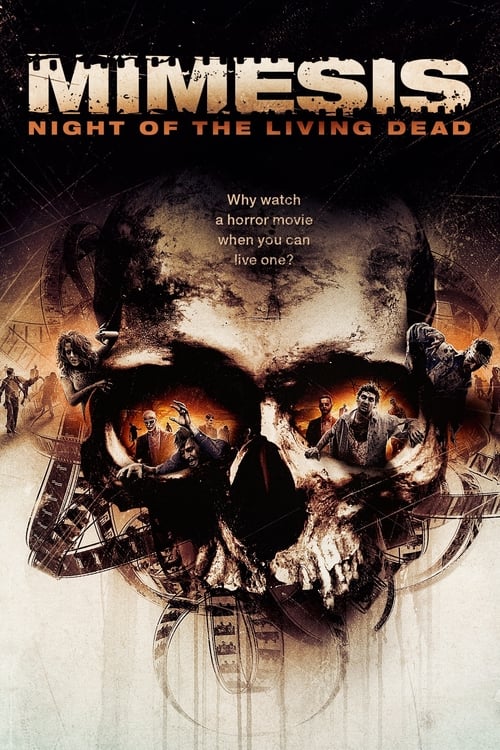
Mimesis
2011
No user ratings available yet
Representation score: 4.3 out of 10
Representation Score
Fair
2018
Director
Douglas Schulze
Runtime
100 minutes
Average Rating
No ratings yetNew Showbiz Analysis
Mimesis: Nosferatu modernizes a classic horror framework by diversifying its cast. The inclusion of Black actors in prominent roles moves the production away from the homogenous casting typical of the original 1922 source material. While the theatrical setting suggests potential for challenging gender norms, the narrative's engagement with these themes remains unconfirmed. The film appears to prioritize genre-driven tension over explicit social critique. Ultimately, the production sits in a middle ground, offering racial inclusivity while leaving broader social and identity-based explorations speculative.
Category Breakdown
The theater setting provides a natural backdrop for diverse gender expressions, but there is no explicit evidence of LGBTQ+ characters or critiques of the assumption that everyone is straight or cisgender within the narrative.
The dramatic reenactment framework offers opportunities to challenge traditional gender roles. However, without specific details on women's ability to drive the story, the film's engagement with gender remains neutral.
Casting Black actor Allen Maldonado in a top-billed role signals a departure from Eurocentric horror norms. The diverse ensemble suggests an intentional effort to modernize the genre's demographics.
The story explores systemic dread and the breakdown of social order through its genre clichés. It lacks clear evidence of a specific anti-establishment or secularist framework.
The film provides no information regarding the depiction of physical, sensory, or neurodivergent disabilities.
Present on Screen
Limited or Absent
Official Synopsis
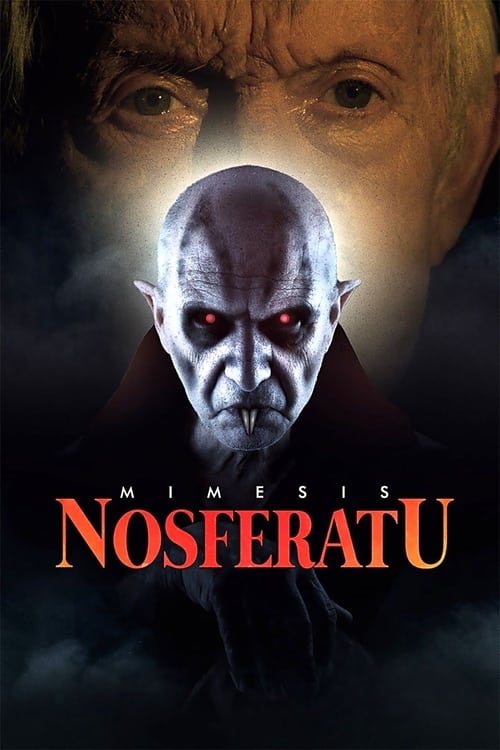
When the Harker Arts Academy drama club produces a play based on the silent horror film Nosferatu (1922), reality and fiction collide, and blood begins to spill.
2011

1995
2005

2000
1990
2023
2015

2015
No reviews yet. Be the first to share your thoughts on this movie!
Use the rating form above to leave a star rating and optional review.