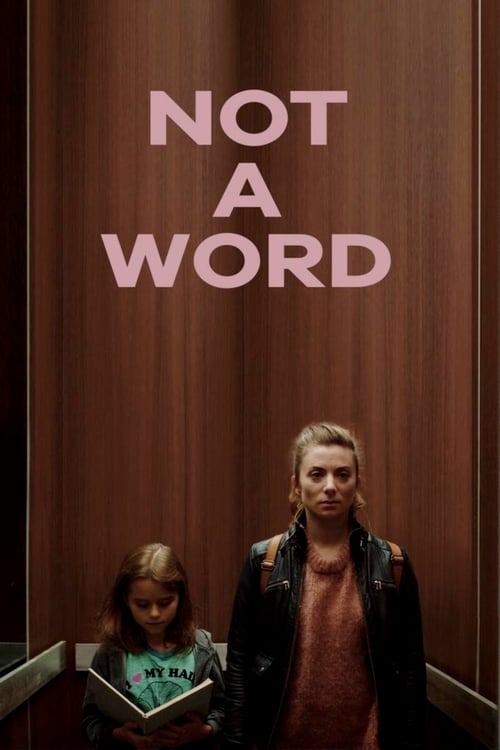
Not a Word
2020
No user ratings available yet
Representation score: 6.8 out of 10

Representation Score
Good
2017
Director
Tori Garrett
Runtime
110 minutes
Average Rating
No ratings yetNew Showbiz Analysis
Don't Tell is a character-driven drama that prioritizes social advocacy and the deconstruction of institutional protections. By basing the story on true events that changed the law, the film focuses on the systemic failures of prestigious institutions. The film excels in its portrayal of women's ability to drive the story and its critique of established power structures. It moves beyond simple victimhood to show a survivor actively fighting for justice and legal reform. However, the film's diversity is limited by a lack of visible information regarding racial and LGBTQ+ representation. While it tackles mental health and institutional corruption effectively, the absence of diverse cast details prevents a higher score.
Category Breakdown
The film does not explicitly mention LGBTQ+ characters or non-straight relationships. While the themes of sexual trauma often relate to queer issues, the story mainly focuses on the survivor's legal journey.
The story centers on Lyndal's active role as a catalyst for legal reform. This portrayal disrupts passive victim stereotypes, highlighting her intellect and resilience against patriarchal institutional structures.
There is insufficient evidence to confirm the racial makeup of the cast. While the prestigious school setting often implies historical homogeneity, the narrative does not provide specific details about ethnic diversity.
The film critiques traditional Western institutions by framing a prestigious school as a site of systemic abuse. It challenges established social hierarchies and prioritizes individual truth over institutional preservation.
The narrative addresses psychological trauma and PTSD as invisible disabilities. It avoids 'inspiration porn' by focusing on the systemic necessity of the survivor's fight rather than the spectacle of her suffering.
Present on Screen
Limited or Absent
Official Synopsis
Based on true events that changed the law. This is the story of a survivor, Lyndal, a young woman sexually abused as an 11 year old while attending a prestigious school. Her courage to fight for justice is entrusted to a local lawyer determined to build a case and give Lyndal peace from her torment. With the help of his aspiring young associate and an enigmatic barrister, the lawyer and Lyndal find their way together.
2020

2019

2015
2013

2017

2015

2015

2016
No reviews yet. Be the first to share your thoughts on this movie!
Use the rating form above to leave a star rating and optional review.