Black Rain
1989
No user ratings available yet
Diversity score: 6.8 out of 10
2016
NRDirector
Cho Jung-lae
Runtime
127 minutes
Average Rating
No ratings yetSynopsis
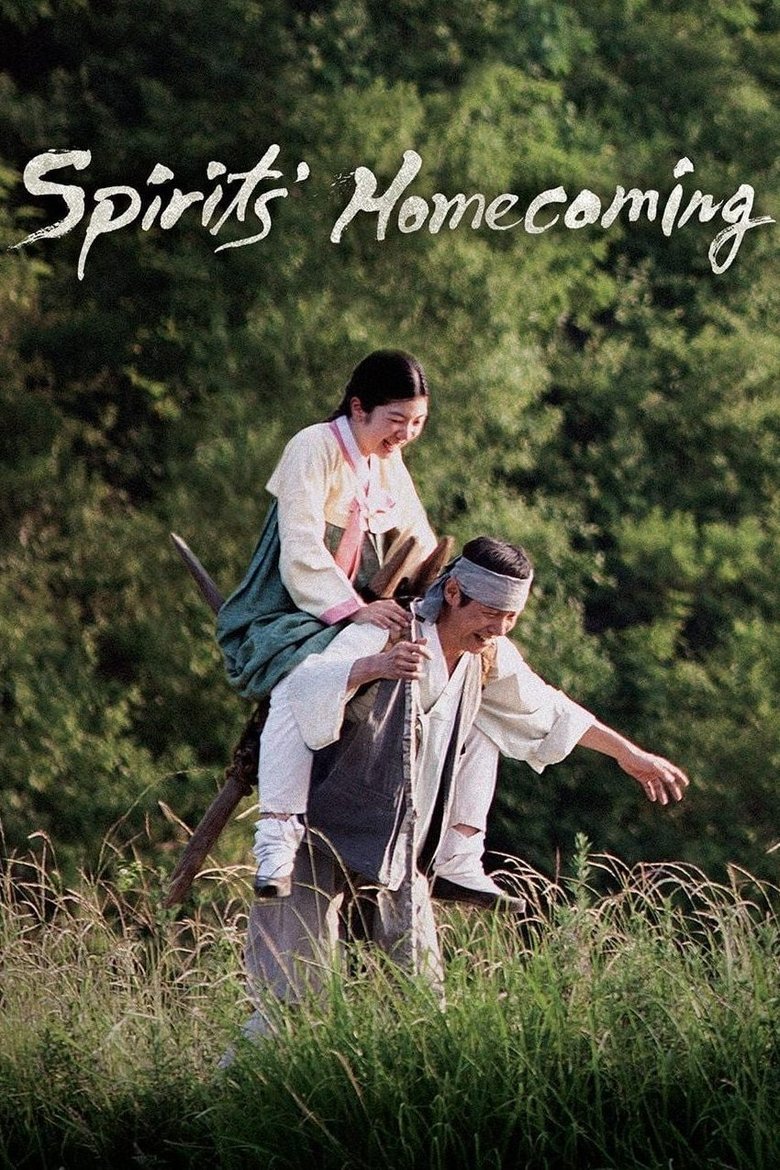
After the Japanese kidnap two Korean teenagers and take them to a comfort station to join other girls who are serving as sex slaves, only one of them survives. Decades later, the elderly woman tries to reunite with her friend's spirit.
Overall Score
Good
Category Breakdown
LGBTQ+ Representation
The film focuses on the heteronormative trauma of sexual violence and the spiritual bonds between female survivors. It lacks explicit LGBTQ+ identities but prioritizes female-centric emotional landscapes.
Gender Representation
The narrative subverts hierarchies by centering the agency and resilience of women. It frames power dynamics through gendered systemic oppression, making the female experience the primary emotional driver.
Racial & Ethnic Diversity
The film provides high ethnic agency by centering a Korean cast against colonial hegemony. It explores national identity and ethnic resistance through a specific, marginalized Asian experience.
Religious & Cultural Diversity
The story engages deeply with anti-colonialist themes and portrays imperial military power as predatory. It emphasizes spiritual connection and memory as sophisticated ways to navigate grief and justice.
Disability Representation
The film explores invisible disabilities through the lens of profound psychological trauma and PTSD. It treats the mental health consequences of systemic violence with dignity and depth.
Strengths
Areas for Improvement
AI Analysis
Spirits' Homecoming is a powerful historical drama that centers on the intersection of gendered violence and colonial oppression. By focusing on the 'comfort women' system, the film reclaims a marginalized Asian history and challenges imperialist power dynamics. The film excels at portraying the resilience of women and the specific ethnic struggles of the Korean people. It moves beyond simple victimhood to explore the complex psychological aftermath of state-sanctioned sexual slavery. While the narrative is deeply focused on female-centric and ethnic themes, it lacks explicit LGBTQ+ representation. However, its exploration of psychological trauma provides a nuanced look at invisible disabilities.
1989
1992
2016

2017
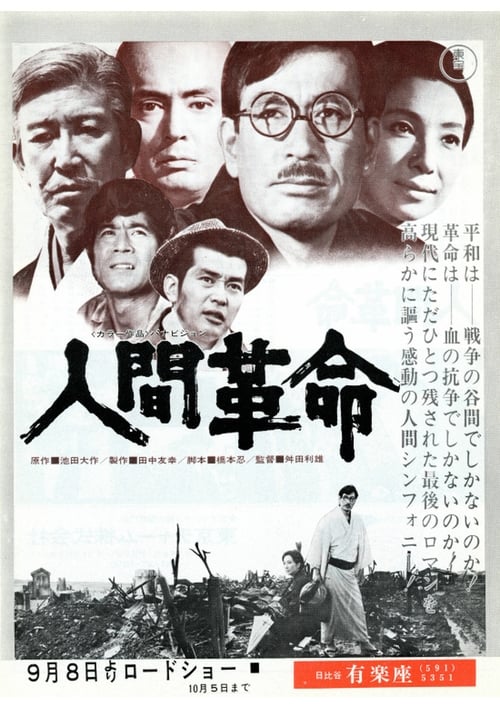
1973
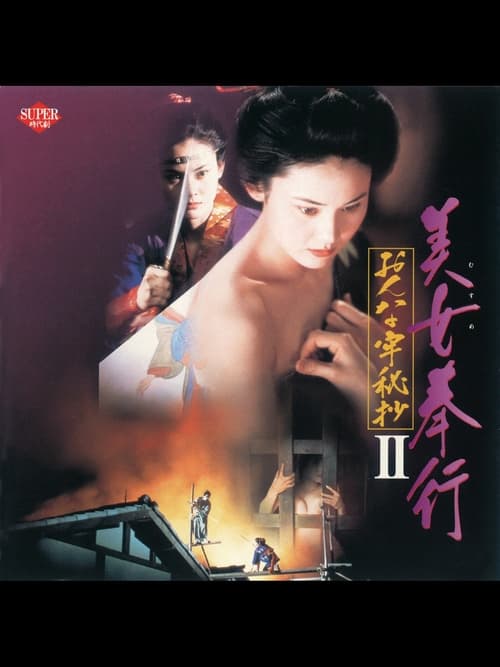
1995

2016
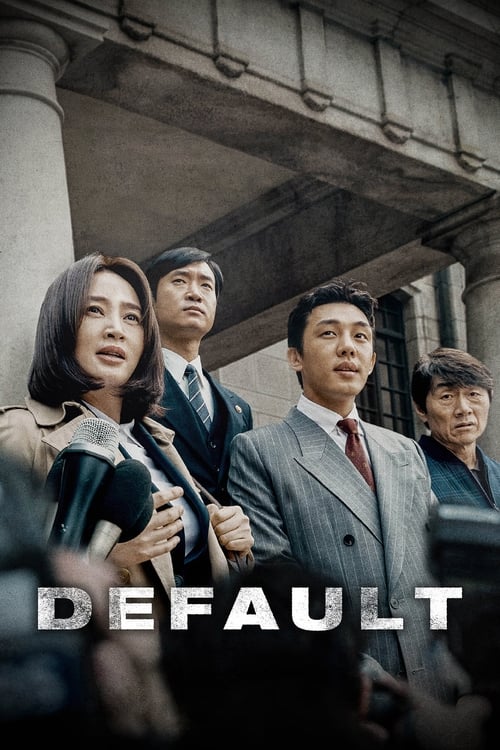
2018
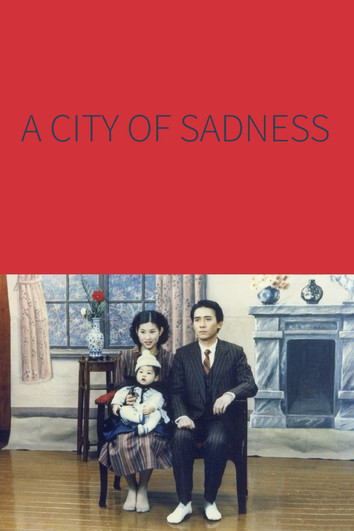
1989
1995
2015
2018
No reviews yet. Be the first to share your thoughts on this movie!
Use the rating form above to leave a star rating and optional review.