Forbidden Jungle
1950
No user ratings available yet
Representation score: 0.6 out of 10

Representation Score
Minimal
1994
Director
Stewart Raffill
Runtime
100 minutes
Average Rating
No ratings yetNew Showbiz Analysis
Lost in Africa operates as a conventional 1990s adventure film, prioritizing survivalist clichés over complex identity politics. The narrative architecture relies heavily on established genre frameworks that favor Western protagonists. The film's reliance on the 'exotic' setting and the depiction of local tribes as antagonists suggests a lack of multi-layered depth. It follows a standard hero's journey that avoids systemic critique or cultural nuance. Ultimately, the production adheres to traditionalist conventions, offering little in the way of social subversion or diverse representation.
Category Breakdown
The film focuses on a traditional adventure dynamic between a male and female protagonist. There is no evidence of non-binary gender identities or narratives that question the assumption that everyone is straight or cisgender.
The story follows a standard 'man and woman in peril' framework. While the female protagonist is central, the roles align with conventional adventure archetypes rather than challenging gender hierarchies.
The plot centers on the kidnapping of Western protagonists by an African tribe. This structure risks reinforcing colonial-era clichés where indigenous populations serve primarily as obstacles to Western characters.
The film portrays a non-Western environment through a lens of danger and exoticism. The conflict prioritizes Western survival over a nuanced exploration of local cultural complexity.
There is no discernible mention of characters possessing visible or invisible disabilities within the narrative.
Present on Screen
Limited or Absent
Official Synopsis
A young American and a young English woman are kidnapped by a tribe in Africa. They manage to escape but the leader of the tribe is killed in the process. There's a whole jungle between them and civilization and chief's son wants revenge.
1950
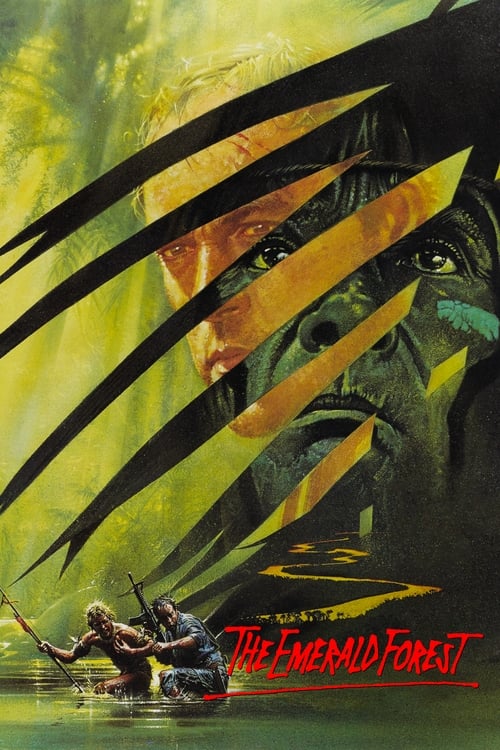
1985

1998
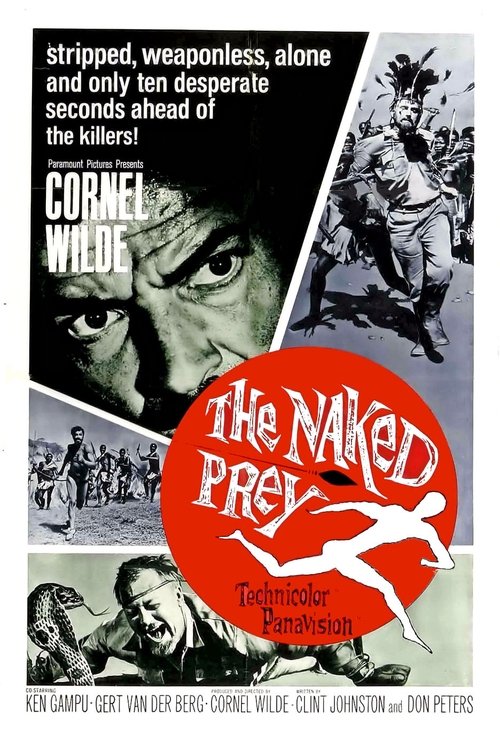
1965
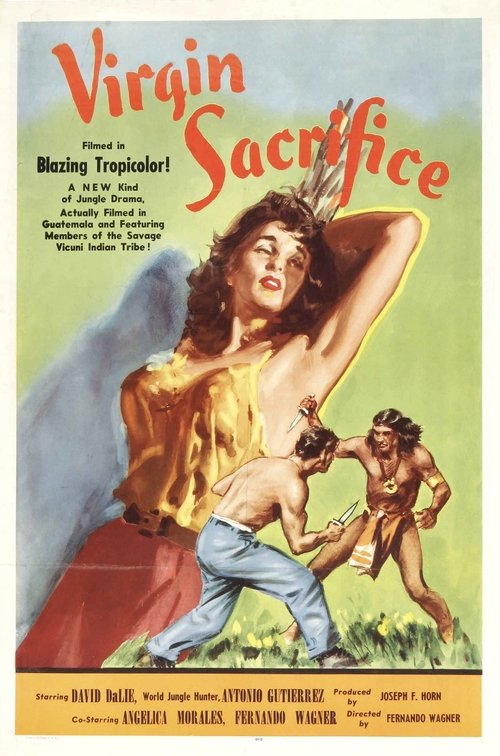
1960
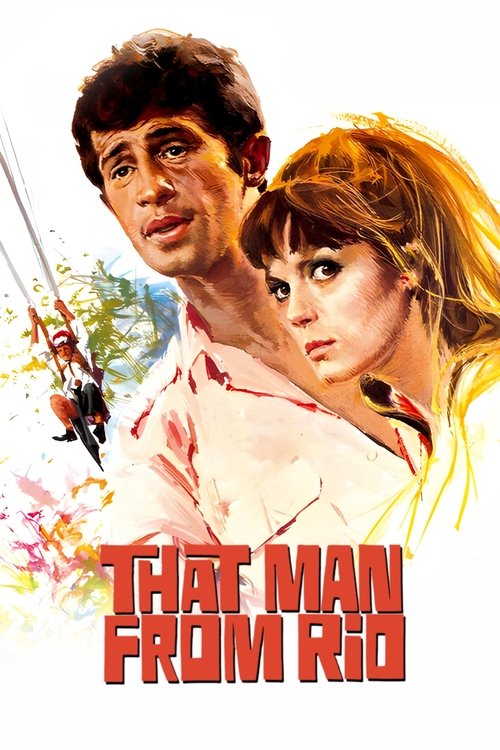
1964

1978
1932
No reviews yet. Be the first to share your thoughts on this movie!
Use the rating form above to leave a star rating and optional review.