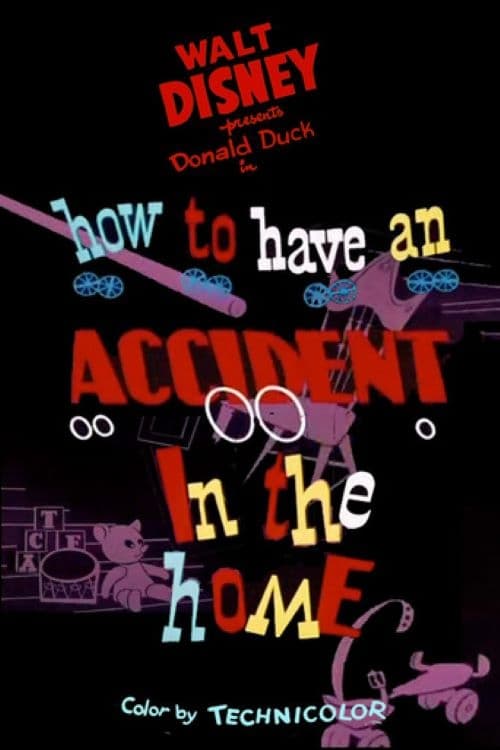
How to Have an Accident in the Home
1956
No user ratings available yet
Diversity score: 1.6 out of 10
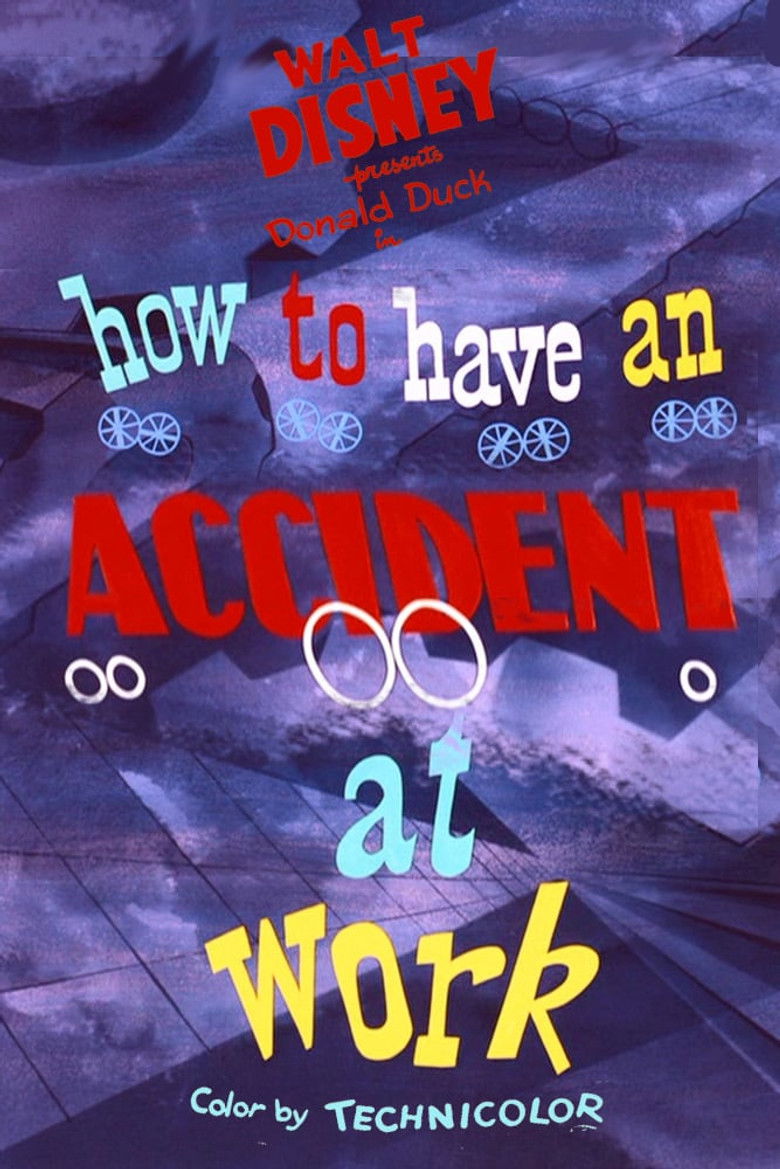
1959
NRDirector
Charles August Nichols
Runtime
7 minutes
Average Rating
No ratings yetSynopsis
J.J. Fate again shows us how accidents aren't his fault, but instead are the result of carelessness. Donald is Mr. Careful at home, but at work, he starts right off by falling down the stairs. He has run-ins with a punch press, flammable paint, a conveyor belt, loose clothing, a monkey wrench, and other problems.
Overall Score
Minimal
Category Breakdown
LGBTQ+ Representation
The film operates within the standard heteronormative constraints of 1950s animation. There is no presence of non-cisnormative identities or narratives addressing LGBTQ+ themes.
Gender Representation
The narrative focuses on a singular male protagonist navigating a workspace. It adheres to the era's traditional focus on the male experience in industrial settings.
Racial & Ethnic Diversity
The work reflects a non-diverse, Anglo-centric default typical of mid-century Western animation. The character focus appears homogeneous without any mention of diverse ensembles.
Religious & Cultural Diversity
The film reinforces traditional Western values regarding individual accountability. It emphasizes personal responsibility and the existing social contract of the time.
Disability Representation
Physical mishaps are utilized as comedic slapstick devices rather than explorations of lived experience. The accidents do not provide meaningful representation of physical identities.
Strengths
Areas for Improvement
AI Analysis
This 1959 animated short functions as a comedic instructional tool, prioritizing slapstick humor and workplace safety over social complexity. The narrative structure centers on individual responsibility, framing accidents as personal failings rather than systemic issues. Because the film is a product of its historical era, it lacks the framework to challenge social hierarchies. It relies on a traditionalist approach to causality and character dynamics, resulting in a very narrow scope of representation. Ultimately, the film serves a specific instructional purpose that ignores intersectional perspectives, focusing instead on the singular experience of a male worker in a mid-century industrial setting.
1956
1949
1946
1948
1953
1955
1954
1944
1957
1948
1954
1961
No reviews yet. Be the first to share your thoughts on this movie!
Use the rating form above to leave a star rating and optional review.