Lend a Paw
1941
No user ratings available yet
Diversity score: 1.3 out of 10
1946
NRDirector
Charles August Nichols
Runtime
7 minutes
Average Rating
No ratings yetSynopsis
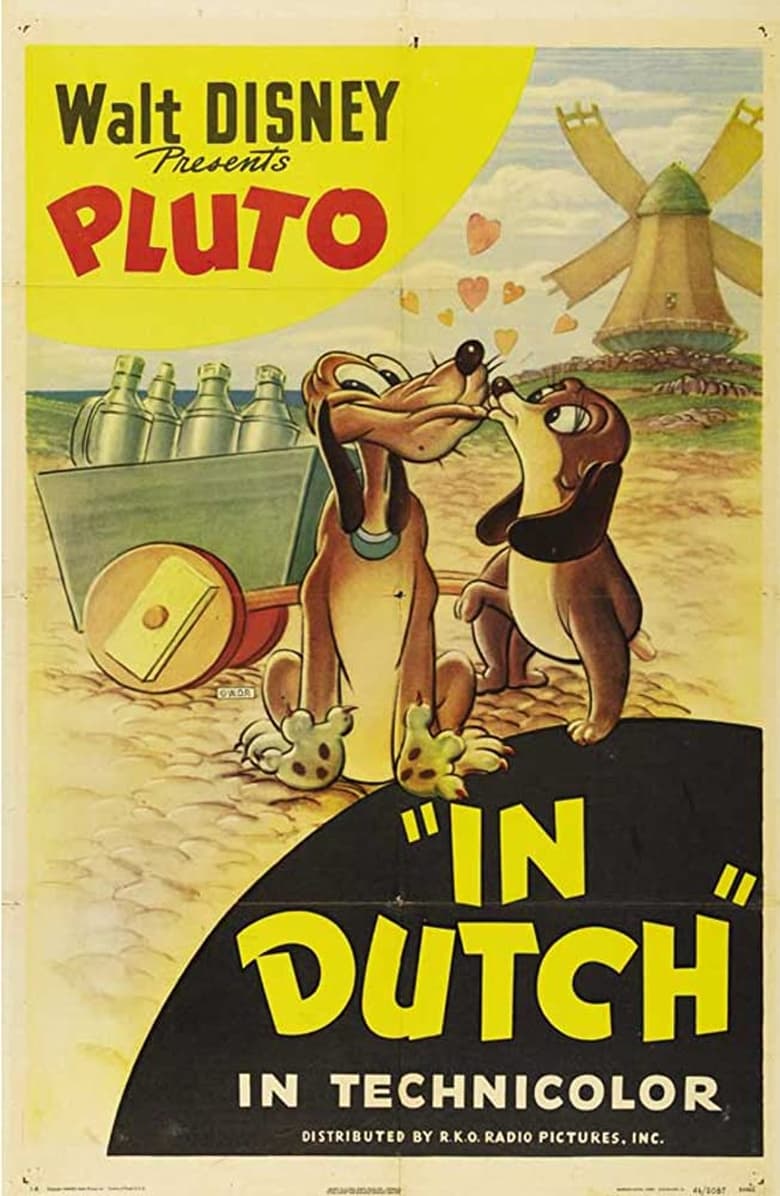
In Holland, Pluto acts as a milkman (dog?) leaving canisters of milk on the town's doorsteps. While going about his job, he falls head over heels in love with Dinah the dachshund. In his enthusiasm, he accidentally rings the dike bell causing the town to think the dike is leaking. When the fraud is exposed, Pluto and Dinah are kicked out of the town. Upon leaving, they both notice the dike actually has sprung a leak. While Dinah plugs the leak, Pluto must return to the town and find a way to get the residents to follow him to the dike leak.
Overall Score
Limited
Category Breakdown
LGBTQ+ Representation
The story follows a conventional heteronormative courtship between Pluto and Dinah. There is no evidence of queer subtext or non-cisnormative identities.
Gender Representation
Dynamics are traditional, with the narrative momentum driven by Pluto's social struggles. While Dinah shows agency by plugging the dike, she remains largely reactive.
Racial & Ethnic Diversity
The film uses anthropomorphic animal archetypes in a stylized setting. It lacks human racial diversity and does not engage with diverse identity blending.
Religious & Cultural Diversity
The plot reinforces civic order and communal stability through the dike system. It celebrates the restoration of social contracts rather than offering social critiques.
Disability Representation
The characters operate within standard physical capacities. No visible or invisible disabilities are portrayed in the narrative.
Strengths
Areas for Improvement
AI Analysis
In Dutch is a product of mid-20th-century traditionalist storytelling. It relies on established animation archetypes and slapstick comedy rather than social commentary. The narrative structure prioritizes conventional romantic tropes and the maintenance of communal stability. The film operates within a strictly heteronormative and anthropomorphic framework. It reinforces existing social hierarchies and traditional gendered dynamics, focusing on the male protagonist's journey to regain his standing within the community. Because the characters are animals in a stylized setting, the film avoids human racial and ethnic complexities. It functions as a simple, character-driven short that adheres to the era's standard narrative norms.
1941
1939
1942
1938
1937
1941
1945
1948
1950
1950
1951
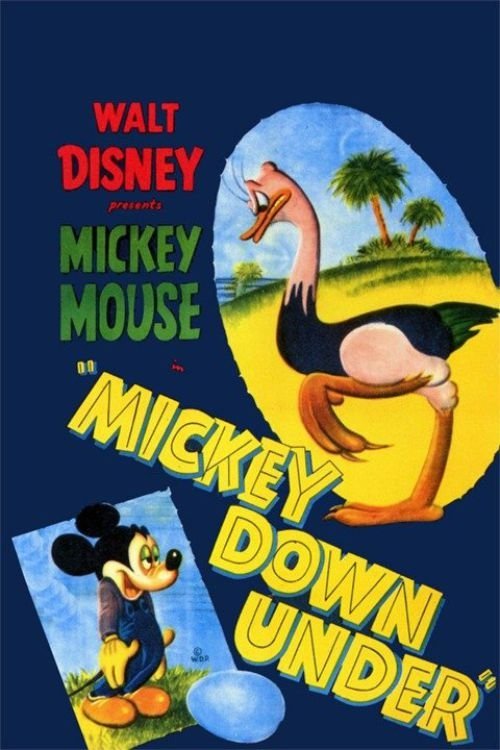
1948
No reviews yet. Be the first to share your thoughts on this movie!
Use the rating form above to leave a star rating and optional review.