The First Snow of Winter
1998
No user ratings available yet
Representation score: 2.0 out of 10
Representation Score
Limited
1989
Not RatedDirector
József Gémes
Runtime
76 minutes
Average Rating
No ratings yetNew Showbiz Analysis
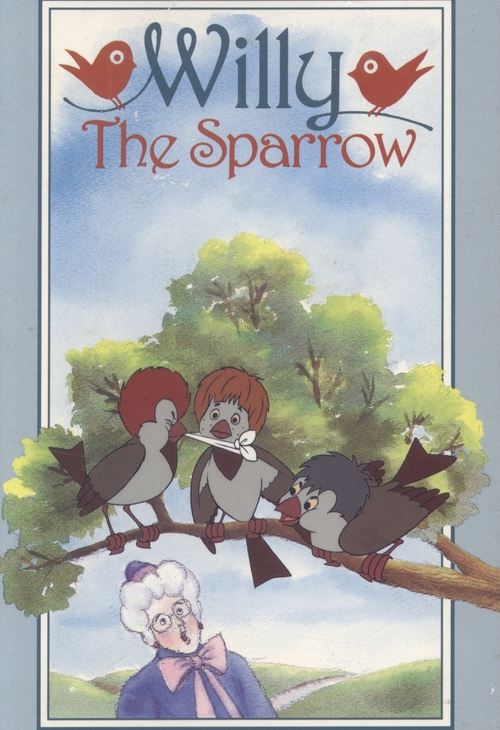
Willy the Sparrow operates as a traditional moral fable, using fantasy elements to explore the development of a young boy's conscience. The narrative relies on established archetypes, such as the wise elder and the delinquent youth, to drive its allegorical themes. While the film offers a meaningful exploration of ethics and personal responsibility, it lacks modern multi-layered frameworks. The storytelling is rooted in a specific European cultural era, prioritizing individual moral growth over diverse social representation. Ultimately, the film is a culturally specific work that adheres to the conventional narrative structures of its time, focusing on a localized, folkloric experience.
Category Breakdown
The film does not include any explicit LGBTQ+ characters or non-cisgender identities. It follows a traditional, fable-like structure focused on individual moral growth.
The story centers around a young male protagonist and a maternal female figure. While the elderly lady provides wisdom, she aligns with traditional nurturing archetypes.
As a Hungarian production, the film reflects a specific European cultural context. The narrative appears to mirror the demographic homogeneity typical of late-20th-century Eastern European animation.
The film uses a subjective morality framework where supernatural intervention guides personal ethics. However, the focus on character reform suggests a traditionalist approach to social integration.
There is no indication of characters with visible or invisible disabilities. Disability is not utilized as a narrative device in this story.
Present on Screen
Limited or Absent
Official Synopsis
Vili fakes illness so he doesn't have to take a math test. Instead, he starts shooting at sparrows from the window with an air rifle. The kindly old lady who feeds the birds turns out to be a real-life fairy who tries to turn Vili into a good boy.
1998
2015
2010
1940
1995

1981
1983
1967
No reviews yet. Be the first to share your thoughts on this movie!
Use the rating form above to leave a star rating and optional review.