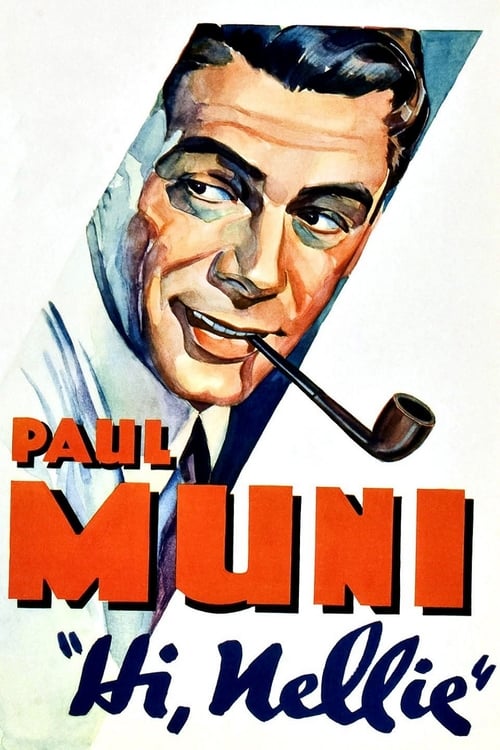
Hi, Nellie!
1934
No user ratings available yet
Representation score: 1.4 out of 10
Representation Score
Minimal
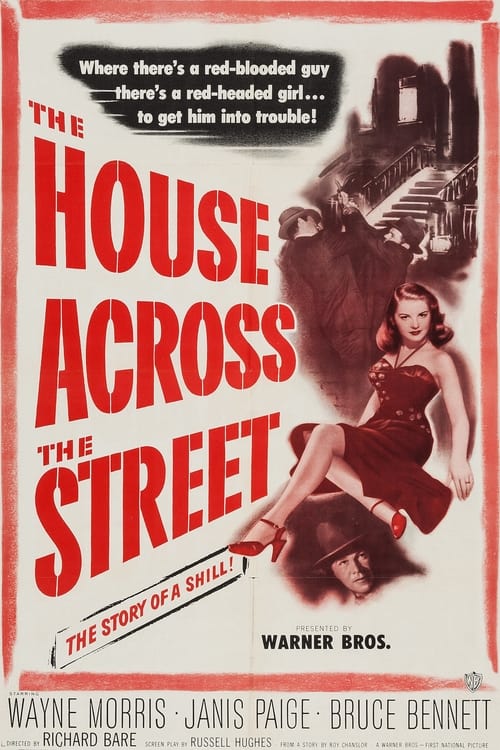
1949
PassedDirector
Richard L. Bare
Runtime
69 minutes
Average Rating
No ratings yetNew Showbiz Analysis
This film is a traditional mid-century crime drama that aligns closely with the demographic and social norms of its time. While it provides the female lead with professional utility, it does not go beyond the standard clichés of the era. Representation is limited to a predominantly white cast and a traditional heterosexual relationship. The narrative does not aim to disrupt established social hierarchies or offer meaningful perspectives on diverse identities.
Category Breakdown
The film does not include any LGBTQ+ characters or stories. The romantic relationship is between two heterosexual characters, Dave Joslin and Kit Williams.
Kit Williams plays a somewhat significant role as a professional newspaper woman. However, the main investigative work is primarily driven by the male protagonist.
The film features a predominantly white cast, which is typical of movies made during the 1940s. There are no non-white characters in central roles.
The story emphasizes journalistic integrity and ethics within a traditional Western context. It does not challenge the existing social or institutional norms.
The film does not include any characters with visible or invisible disabilities. The plot centers on the crime and the journalistic investigation.
Present on Screen
Limited or Absent
Official Synopsis
Dave Joslin, the managing editor of a big-city newspaper, is demoted and moved to the Miss Lonely Hearts column-writing department by the newspaper's publisher, J. B. Grennell, because Joslin refuses to desist in printing stories linking a gangster, Matthew Keever, to a murder. But Joslin, aided by Kit Williams, a newspaper woman with whom he is in love, investigate the murder case on their own time.
1934

1948
1943
1948

1946

1944
1943
1938
No reviews yet. Be the first to share your thoughts on this movie!
Use the rating form above to leave a star rating and optional review.