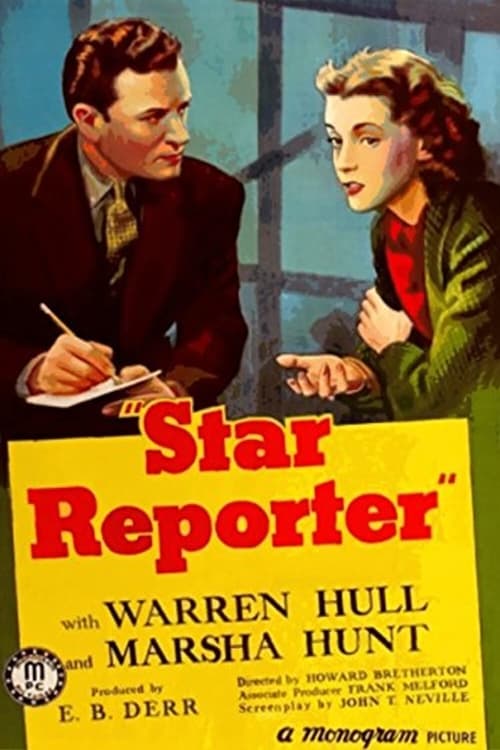
Star Reporter
1939
No user ratings available yet
Representation score: 0.6 out of 10
Representation Score
Minimal
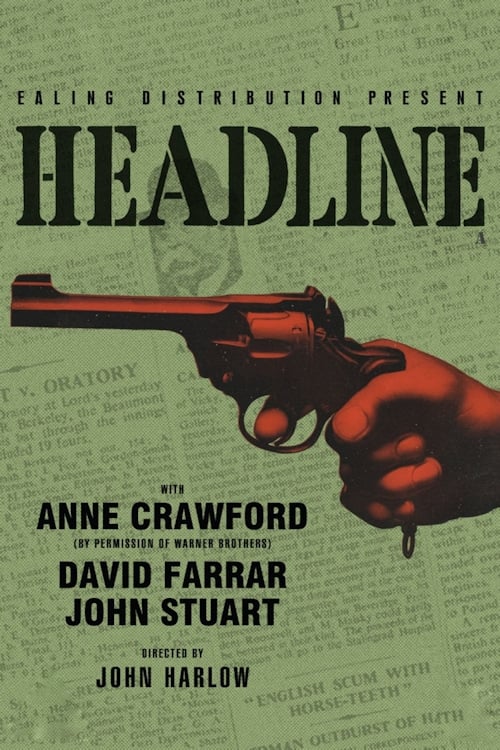
1943
Director
John Harlow
Runtime
75 minutes
Average Rating
No ratings yetNew Showbiz Analysis
This film is a classic example of the 1940s studio system, emphasizing traditional crime drama clichés over diverse storytelling. The narrative structure relies on established social hierarchies and mid-century cinematic norms. The film lacks representation for LGBTQ+ individuals and characters with disabilities. Its focus remains on a conventional investigation led by a male protagonist, reflecting the era's limited scope. While the plot is driven by a female character, she serves primarily as a catalyst for the male lead's actions, reinforcing the period's tendency toward homogeneous storytelling.
Category Breakdown
The film does not include any LGBTQ+ characters or narratives. It follows the social norms of the 1940s closely.
The story focuses on a male reporter's investigation. A female character drives the plot but is portrayed as a victim rather than an active participant.
The film depicts a homogeneous society typical of 1940s crime films. There is no indication of diverse casting or challenging Anglo-centric norms.
The film upholds the traditional framework of law and order. It supports the social stability of wartime cinema without questioning Western institutions.
There are no characters with physical or neurodivergent disabilities in the film. Such roles are not present in the narrative.
Present on Screen
Limited or Absent
Official Synopsis
A crime reporter begins to investigate the disappearance of his bosses wife who had witnessed a murder.
1939
1948
1935

1940
1946
1946
1937
1946
No reviews yet. Be the first to share your thoughts on this movie!
Use the rating form above to leave a star rating and optional review.