
Black and White
1931
No user ratings available yet
Representation score: 4.0 out of 10
Representation Score
Minimal
1929
ApprovedDirector
Frank Craven, Richard Rosson
Runtime
65 minutes
Average Rating
No ratings yetNew Showbiz Analysis
The film serves as a historical document focused on the controversial theory of eugenics. While it offers a brief moment where working-class characters gain influence through emotional bonds, this is tied to traditional romantic themes rather than challenging social hierarchies. The narrative depends on a problematic scientific premise to generate its humor. This setup reinforces the social and racial norms of the era rather than providing a critical perspective on the institutions it portrays. Overall, the film's portrayal of diversity is constrained by its adherence to early 20th-century social norms and its emphasis on domestic and biological structures.
Category Breakdown
The film centers on heterosexual marriage and biological parenting. No characters with non-binary or LGBTQ+ identities are included, and there is no depiction of same-sex intimacy.
Women in the film drive the plot through their reproductive roles and domestic duties. The male lead controls the scientific experiment, while the working-class women gain power through emotional connections.
The cast and storyline reflect the homogenous society of 1929. There are no non-white characters, and the eugenics theme likely supports the racial norms of the time.
The story uses class differences between wealthy and working-class characters for humor. It lacks a deeper critique of social systems, focusing instead on personal relationships interrupting a scientific plan.
The provided material contains no information regarding the portrayal of physical or neurodivergent disabilities.
Present on Screen
Limited or Absent
Official Synopsis
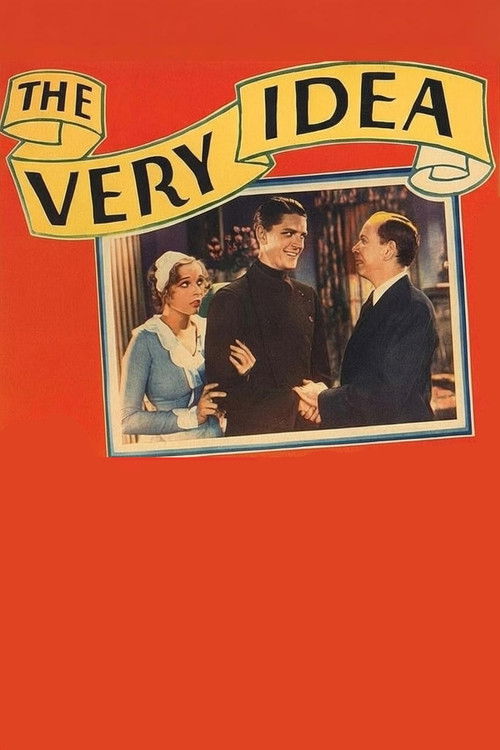
The author of a book on eugenics attempts to prove his theories by having his childless sister and her husband adopt the child of a “physically superior” chauffeur and housemaid, leading to comedic complications when the parents refuse to give up their child.
1931
1934
1918
1927
1910
1927
1929
1927
No reviews yet. Be the first to share your thoughts on this movie!
Use the rating form above to leave a star rating and optional review.