Prelude to Glory
1950
No user ratings available yet
Representation score: 2.0 out of 10
Representation Score
Limited
1920
Director
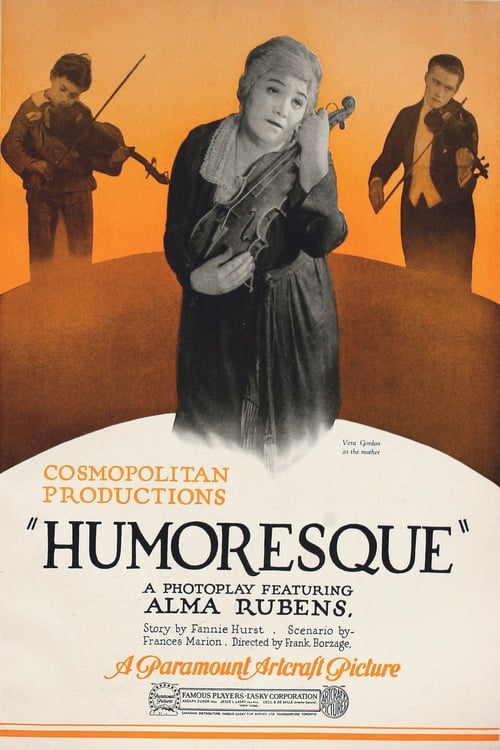
Frank Borzage
Runtime
71 minutes
Average Rating
No ratings yetNew Showbiz Analysis
Humoresque stands out as a historical document that humanizes the Jewish immigrant experience. By focusing on Leon Kanter's journey, the film goes beyond including someone from a minority group without giving them real depth to provide a nuanced look at cultural identity and the struggle for socioeconomic integration. However, the film is limited by the dramatic conventions of the 1920s. It lacks LGBTQ+ representation and maintains traditional gender hierarchies, where female characters often lack independent ability to act outside of the male protagonist’s influence. Ultimately, the film's strength lies in its cultural depth, even as it remains anchored in the period's standard romantic and social structures.
Category Breakdown
The film does not include any LGBTQ+ characters or stories about non-straight relationships. It follows traditional romantic structures typical of silent melodramas.
Female characters mainly serve as emotional anchors within domestic or romantic settings. The film sticks to conventional gender roles without significantly challenging traditional hierarchies.
The narrative offers a meaningful representation of the Jewish immigrant experience in New York. It explores the complexities of ethnic identity and the pressures of assimilation.
The film shows the tension between artistic ambitions and socioeconomic realities. It highlights the lived experiences of poverty and the systemic barriers faced by immigrants.
There are no prominent depictions of physical or neurodivergent disabilities that serve as central narrative drivers.
Present on Screen
Limited or Absent
Official Synopsis
Young Leon Kanter dreams of being a great violinist. His parents scrape up the money for a violin and for lessons, and Leon rewards them by becoming a great player. But as an adult, Leon finds that people want more from him than just music.
1950
1961
1930
1936

2002
1927
1941
1952
No reviews yet. Be the first to share your thoughts on this movie!
Use the rating form above to leave a star rating and optional review.