
Call Me Marianna
2015
No user ratings available yet
Diversity score: 8.3 out of 10
2023
NRDirector
Paul B. Preciado
Runtime
99 minutes
Average Rating
No ratings yetSynopsis
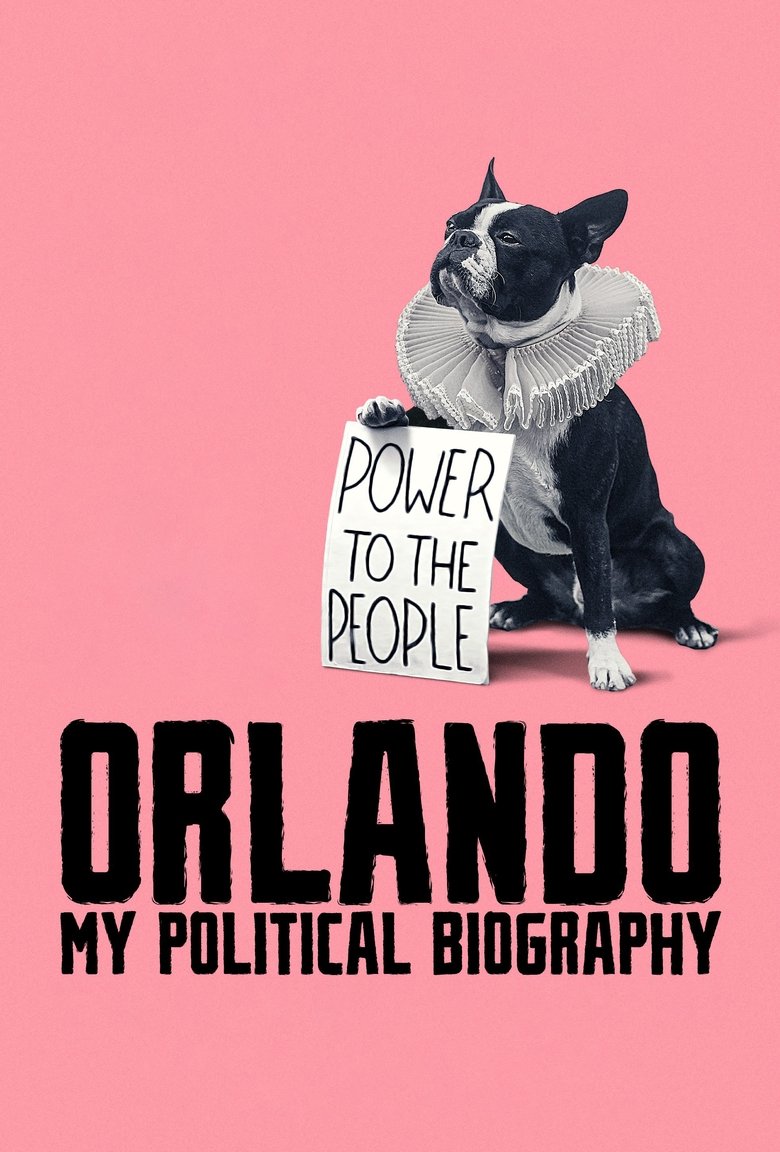
Virginia Woolf's 1928 novel "Orlando: A Biography" follows the centuries-spanning life of a young nobleman who awakens to find that they are a woman. Almost a century after its publication, Paul B. Preciado claims that fiction has become reality and Orlando's story lies at the root of all contemporary trans and non-binary life.
Overall Score
Excellent
Category Breakdown
LGBTQ+ Representation
The film centers non-binary and non-cisnormative identities as its primary lens. It moves beyond peripheral subplots to position trans experiences at the heart of the narrative.
Gender Representation
By linking Woolf’s protagonist to contemporary trans identities, the film dismantles the gender binary. It effectively neutralizes traditional masculine and feminine archetypes.
Racial & Ethnic Diversity
There is no specific evidence regarding the racial composition of the cast. The film's focus on globalized identity theories does not provide clear ethnic narratives.
Religious & Cultural Diversity
The work critiques how Western institutions and biopolitics regulate human bodies. It prioritizes subjective, lived truths over rigid, institutionalized morality.
Disability Representation
The film explores how bodies that deviate from the norm are governed by society. However, specific depictions of physical or neurodivergent disabilities are not explicitly detailed.
Strengths
Areas for Improvement
AI Analysis
Paul B. Preciado’s documentary is a sophisticated interrogation of identity that uses Virginia Woolf’s fiction to explore contemporary trans realities. It succeeds by making the deconstruction of gender and the critique of biopolitical power the central drivers of the cinematic experience. The film avoids tokenism by centering non-binary existence as a fundamental way of understanding the world. It moves past mere biography to perform a systemic deconstruction of how political structures intersect with the individual body. While the film excels in gender and queer theory, it lacks specific information regarding racial or ethnic representation. The focus remains heavily on the intersection of biology and social regulation.
2015

2014
2023
1977
2011
1999

2014

2023

2018
2015
2004
2001
No reviews yet. Be the first to share your thoughts on this movie!
Use the rating form above to leave a star rating and optional review.