Transhood
2020
No user ratings available yet
Representation score: 7.2 out of 10
Representation Score
Excellent
2015
TV-PGDirector
Miri Navasky, Karen O'Connor
Runtime
82 minutes
Average Rating
No ratings yetNew Showbiz Analysis
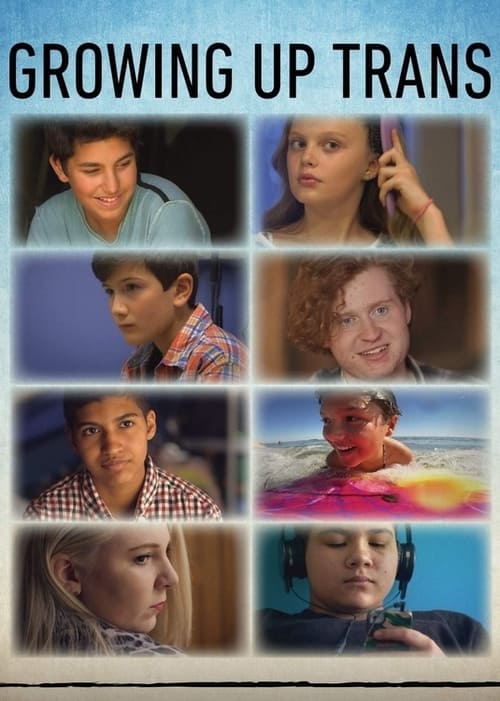
Growing Up Trans is an outstanding example of identity-focused storytelling. It succeeds by placing underrepresented voices front and center, allowing them to drive their own narratives rather than relegating them to secondary roles. The film effectively challenges traditional gender binaries and biological essentialism by focusing on the lived experiences of transgender children. It presents gender fluidity as a valid reality rather than a theoretical concept. While the film excels in its portrayal of LGBTQ+ issues, it offers a more moderate engagement with racial and ethnic diversity.
Category Breakdown
The film centers gender-diverse youth, giving them significant roles in shaping their own stories and navigating medical and social transitions. It allows them to express their internal realities and experiences.
The documentary challenges traditional gender hierarchies by focusing on individuals outside the male/female binary. Subjects take control in defining their own sense of masculinity or femininity, going beyond fixed gender roles.
The film captures various socioeconomic backgrounds but features a moderate range of racial diversity among the families shown. The focus remains on gender transition rather than a wide range of ethnic backgrounds.
The narrative questions the rigidity of traditional family and societal norms. It prioritizes an individual’s personal truth over established institutional or religious frameworks when it comes to identity.
The film explores the balance between medical intervention and personal autonomy. It avoids clichés by focusing on the practical realities of managing medical treatments and integrating identity.
Present on Screen
Limited or Absent
Official Synopsis
Just a generation ago, it was adults, not kids, who changed genders. But today, many children are transitioning, too—with new medical options, and at younger and younger ages. Told from the perspective of parents, doctors, and, most revealing of all, the kids themselves, the documentary takes a powerful look at this new generation, exploring the medical possibilities, struggles and choices transgender kids and their families face today.
2020

2021

2016

1997

2019

2024
2017

2020
No reviews yet. Be the first to share your thoughts on this movie!
Use the rating form above to leave a star rating and optional review.