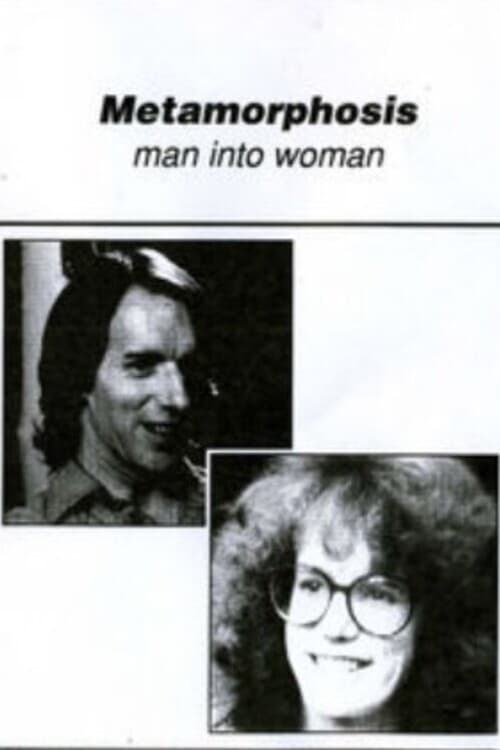
Metamorphosis: Man into Woman
1990
No user ratings available yet
Representation score: 7.7 out of 10

Representation Score
Excellent
2004
TV-MADirector
Josh Aronson
Runtime
73 minutes
Average Rating
No ratings yetNew Showbiz Analysis
The documentary provides a profound deconstruction of the 'manly' archetype through the longitudinal study of Jim Alter’s transition into Jamie. By documenting a life built on blue-collar masculinity and fatherhood, the film illustrates how long-held gender performances can be superseded by a non-cisgender identity. The work succeeds by avoiding 'inspiration porn,' opting instead for a nuanced portrayal of the systemic and interpersonal friction caused by disrupting the gender binary. It effectively uses a personal lens to challenge the perceived permanence of social roles. While the film is a landmark for LGBTQ+ and gender representation, it remains centered on a specific suburban experience, leaving racial and disability-related themes largely unaddressed.
Category Breakdown
The film centers on a transgender narrative, offering a deep psychological exploration of gender dysphoria and the transition process. It challenges traditional expectations by presenting identity as a personal truth rather than a societal construct.
This documentary subverts traditional gender hierarchies by showing how a successful practitioner of masculinity can undergo a total identity shift. The tension highlights the rigidity of binary social pressures.
The narrative focuses on a specific domestic, suburban American experience. While there is no evidence of racial exclusion, the film does not actively utilize diverse racial casting or multi-layered themes to drive its primary arc.
The film engages with the deconstruction of traditional Western institutions, portraying the nuclear family and established social norms as structures that struggle to accommodate individual identity. It prioritizes internal truth over familial cohesion.
The film explores the psychological complexities inherent in the transition process but does not center neurodivergence or physical disabilities within the narrative arc.
Present on Screen
Limited or Absent
Official Synopsis
Forty-seven-year-old Jim Alter pursued manly roles so successfully for so long -- playing football, starting a family, running auto-shop and construction businesses, hanging with the guys -- that the shock was total when he announced he would now cross-dress (and, eventually, undergo sex-change surgery) as a woman. Reactions range from his mother's earnest bewilderment to the scandalized fury of in-laws. Only wife of 25 years Brenda retrospectively sees signs she'd ignored of the cross-dressing, then hormone-taking "alter ego" he managed to keep secret for decades.
1990

2024

2011

1997
1997

2005

2010

2015
No reviews yet. Be the first to share your thoughts on this movie!
Use the rating form above to leave a star rating and optional review.