
This Is Everything: Gigi Gorgeous
2017
No user ratings available yet
Representation score: 9.1 out of 10

Representation Score
Good
2015
Director
Karolina Bielawska
Runtime
75 minutes
Average Rating
No ratings yetNew Showbiz Analysis
Call Me Marianna is a powerful film that avoids treating transgender identity as a spectacle. It focuses on the systemic and interpersonal consequences of Marianna's transition, providing a deeply empathetic account of her struggle for self-actualization. The documentary effectively critiques traditional ideals of family loyalty, highlighting how institutions meant to provide support can become sources of isolation when they prioritize rigid social hierarchies over personal authenticity. While the film excels in its central themes, it lacks information regarding racial or ethnic diversity, which limits the scope of its social critique. However, the intersection of gender identity and physical hardship adds a necessary layer of complexity to the protagonist's experience.
Category Breakdown
The film focuses on the experiences of a transgender woman, moving beyond simple visibility to explore the isolation she faces after transitioning.
Marianna’s transition highlights the conflict between her biological past and her true identity. The film captures the tension between her family’s refusal to accept her womanhood and the use of masculine pronouns.
The film focuses on gender identity and familial dynamics. There is no evidence of racial or ethnic diversity serving as a primary narrative driver.
The documentary critiques traditional social and familial structures, portraying the nuclear family as a source of rejection rather than support, challenging the stability of these norms.
Marianna’s journey is marked by physical hardships, suggesting an multi-layered struggle where gender identity and physical vulnerability intersect, though specific medical details are not provided.
Present on Screen
Limited or Absent
Official Synopsis
Her ex-wife won’t meet her. Her daughter rejects her. Her mother still calls her “son.” As Marianna transitions from male to female, she is abandoned by her loved ones, alone in a world unwilling to accept her true self. This multi-award-winning documentary is an intensely sympathetic and powerful account of one individual’s struggle to gain acceptance—even in the midst of profound physical hardship.
2017

2017

2015

2021
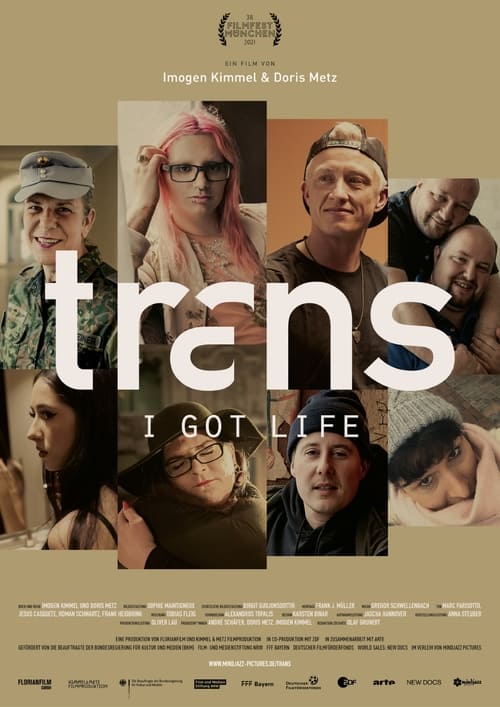
2021

1997

2020

2024
No reviews yet. Be the first to share your thoughts on this movie!
Use the rating form above to leave a star rating and optional review.