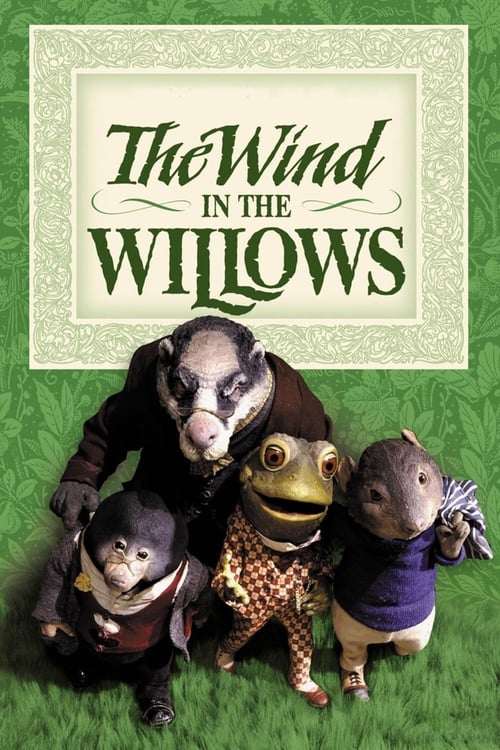
The Wind in the Willows
1983
No user ratings available yet
Representation score: 0.9 out of 10
Representation Score
Limited
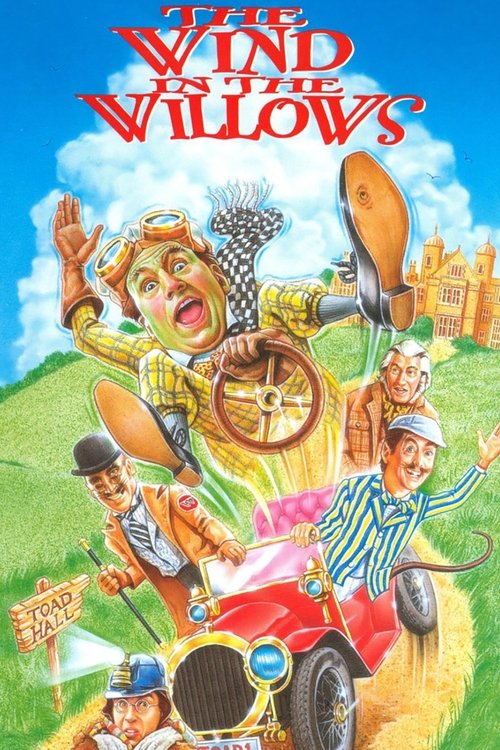
1996
PGDirector
Terry Jones
Runtime
88 minutes
Average Rating
No ratings yetNew Showbiz Analysis
Terry Jones brings a satirical perspective to this adaptation, yet the film remains anchored in conventional storytelling clichés. The narrative focuses on pastoral nostalgia and established social hierarchies rather than diverse representation. While the film critiques industrialization and consumerism, it does so within a framework that reinforces traditional Western social structures without challenging them.
Category Breakdown
The film adheres to a strictly heterosexual or asexual framework. The cast includes anthropomorphic male animals, with no queer subtext or non-conforming gender identities.
The story centers around male characters, with ability to act held by male protagonists. Female characters are notably absent from the main storylines and power dynamics.
Set in a stylized English pastoral setting, the film lacks human racial or ethnic diversity. Characters represent archetypal figures of the English landed gentry.
The narrative embraces a nostalgic, pastoral ideal of the English countryside. It criticizes industrialization but ultimately upholds traditional social structures and the sanctity of the estate.
The film does not include any representation of physical, sensory, or neurodivergent disabilities. Characters are depicted through standard anthropomorphic clichés without any disability-related plot devices.
Present on Screen
Limited or Absent
Official Synopsis
Jailed for his reckless driving, rambunctious Mr. Toad has to escape from prison when his beloved Toad Hall comes under threat from the wily weasels, who plan to build a dog food factory on the very meadow sold to them by Toad himself.
1983
1998
1949
2003
1988
1983
1995
2021
No reviews yet. Be the first to share your thoughts on this movie!
Use the rating form above to leave a star rating and optional review.