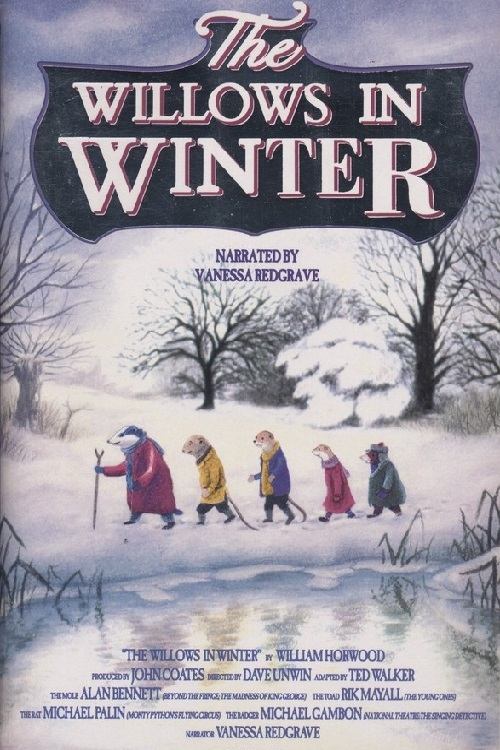
The Willows in Winter
1996
No user ratings available yet
Representation score: 2.8 out of 10
Representation Score
Minimal
1995
TV-GDirector
Dennis Abey, Dave Unwin
Runtime
74 minutes
Average Rating
No ratings yetNew Showbiz Analysis
This adaptation of classic literature adheres to traditional values, emphasizing heritage over modern social critique. The cast is predominantly uniform, reinforcing established social and gender hierarchies through a male-focused group. The film does not intentionally address diverse identities or multi-layered stories. Instead, it focuses on a traditional narrative that avoids contemporary progressive interpretations or critical examinations of societal structures. Overall, the work remains a conservative adaptation of its source material, lacking diverse perspectives or non-traditional identities.
Category Breakdown
The film does not include any non-straight or non-cisgender identities or intimate relationships between characters of the same sex. The story follows typical character types without any queer elements.
The story revolves around a group of male characters. While there is no active mistreatment of women, the lack of strong female roles reflects a traditional gender hierarchy.
Set in a rural English setting, the film uses animal characters to maintain a uniform social order. There is no evidence of casting actors from different racial backgrounds or blending different cultural identities.
The plot examines the conflict between traditional pastoral life and industrial growth. However, it emphasizes conservative values without questioning Western or capitalist norms.
The film does not depict any visible or invisible disabilities among the characters. Characters are defined by personality traits such as impulsiveness rather than conditions like neurodivergence or clinical issues.
Present on Screen
Limited or Absent
Official Synopsis
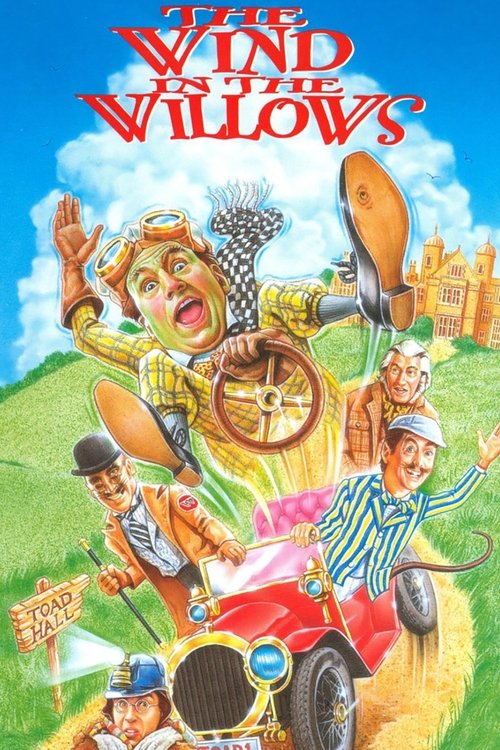
Jailed for his reckless driving, rambunctious Mr. Toad has to escape from prison when his beloved Toad Hall comes under threat from the wily weasels, who plan to build a dog food factory on the very meadow sold to them by Toad himself.
1996
2006

2006
1983
1996
1992
1971
1995
No reviews yet. Be the first to share your thoughts on this movie!
Use the rating form above to leave a star rating and optional review.