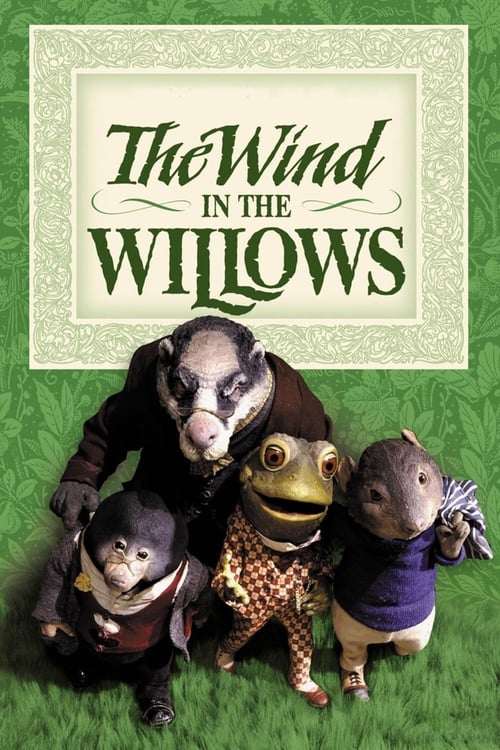
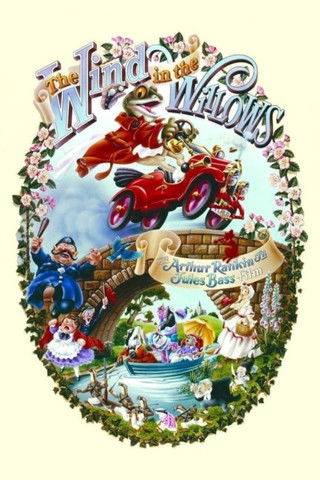
The Wind in the Willows
1983
No user ratings available yet
Representation score: 0.9 out of 10
Representation Score
Minimal
1983
TV-GDirector
Jules Bass, Arthur Rankin, Jr.
Runtime
96 minutes
Average Rating
No ratings yetNew Showbiz Analysis
This animated adaptation of a classic fable prioritizes traditional storytelling over complex social themes. The narrative is centered around a homogeneous group of male characters, reinforcing established social norms and a stable, class-defined English setting. By focusing on a brotherhood of friends, the film avoids addressing multi-layered identities and instead celebrates conventional behavioral standards and the sanctity of the domestic sphere.
Category Breakdown
The film focuses on a group of male characters who share a close friendship. There are no characters who identify as LGBTQ+, nor are there any representations of non-cisgender identities or same-sex relationships.
The cast consists solely of male characters, emphasizing a brotherhood dynamic. Female characters and their roles are completely absent, leading to a lack of female influence or leadership.
The film is set in a rural English countryside featuring anthropomorphic animals. Race is not explicitly mentioned, and the story revolves around a localized folklore that does not address racial diversity.
The story highlights traditional Western pastoral values and upper-middle-class social structures. It emphasizes restoring social order and propriety rather than critiquing systemic issues or promoting rebellion.
There are no visible or hidden disabilities shown among the main characters. The characters are depicted as fully capable within their anthropomorphic roles.
Present on Screen
Limited or Absent
Official Synopsis
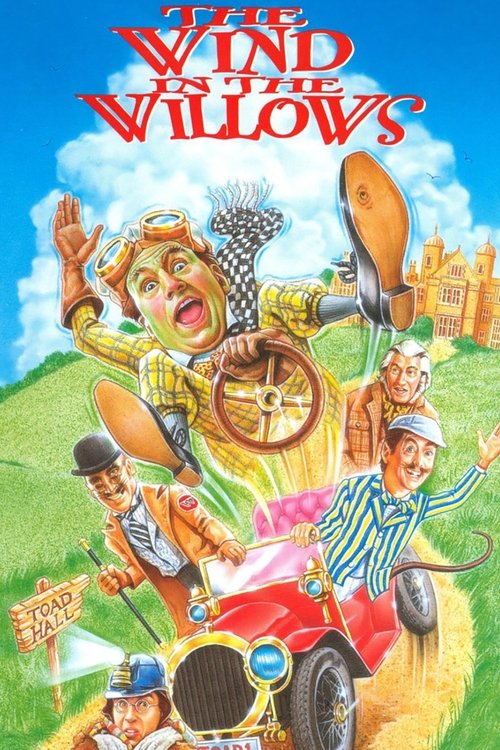
The Irresponsible Toad is in a mess and needs help from his friends try and save Toad Hall.
1983
1993
1988

1997
1996
2002
1996

1977
No reviews yet. Be the first to share your thoughts on this movie!
Use the rating form above to leave a star rating and optional review.