The Wayward Canary
1932
No user ratings available yet
Diversity score: 1.3 out of 10

1942
ApprovedDirector
Rudolf Ising, Jameson Brewer
Runtime
7 minutes
Average Rating
No ratings yetSynopsis
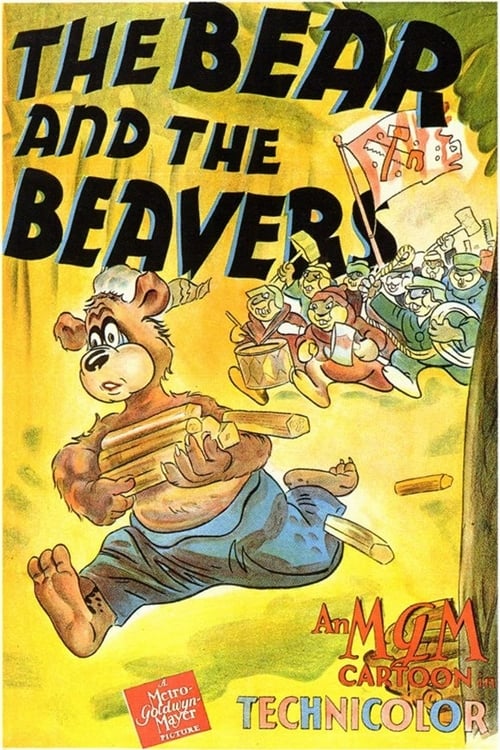
A trio of belfry-dwelling bats explain to us, musically (and demonstrate), why they are associated with nuttiness. Especially the smallest.
Overall Score
Minimal
Category Breakdown
LGBTQ+ Representation
The film lacks any LGBTQ+ characters or narratives. It follows standard anthropomorphic comedy structures typical of the early 1940s.
Gender Representation
The story focuses on a trio of bats without subverting traditional gender hierarchies. There is no evidence of female agency or non-traditional masculinity.
Racial & Ethnic Diversity
As an animated short featuring anthropomorphic animals, the film lacks human racial or ethnic diversity. Characters are defined by species rather than human identity.
Religious & Cultural Diversity
The film centers on lighthearted, family-oriented musical comedy. It reinforces standard comedic tropes rather than challenging systemic or institutional structures.
Disability Representation
The smallest bat's 'nuttiness' serves as a comedic device. This eccentricity lacks the nuance required for a meaningful portrayal of neurodivergence.
Strengths
Areas for Improvement
AI Analysis
Bats in the Belfry is a product of its era, functioning as a character-driven musical comedy centered on anthropomorphic bats. The narrative relies on slapstick and musicality rather than complex social themes. Because the characters are animals, the film avoids human racial, ethnic, or gendered complexities. The focus remains on species-based humor and the eccentric behavior of the smallest bat. Ultimately, the film lacks the intentionality needed to engage with intersectional identities, reflecting the standardized narrative tropes of 1942 studio animation.
1932
1942
1939
1941
1943
1936

1951
1970
1954
1951
1948
1952
No reviews yet. Be the first to share your thoughts on this movie!
Use the rating form above to leave a star rating and optional review.