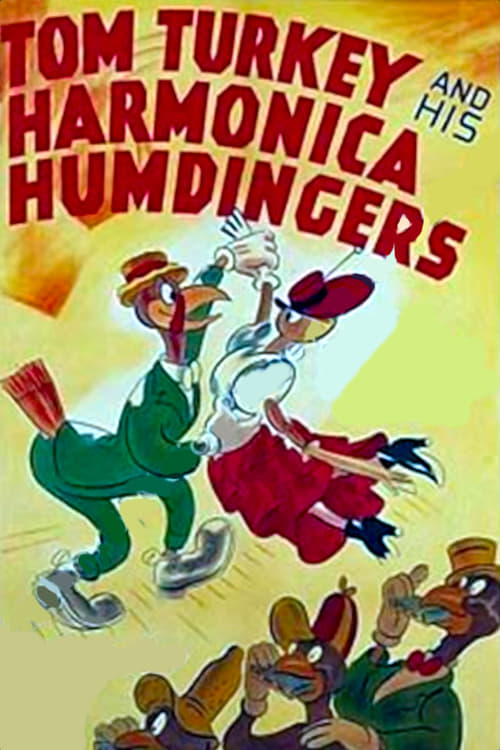
Tom Turkey and His Harmonica Humdingers
1940
No user ratings available yet
Representation score: 0.3 out of 10
No Poster Available
Representation Score
Minimal
1939
ApprovedDirector
Friz Freleng, Jack Zander, Hugh Harman
Runtime
8 minutes
Average Rating
No ratings yetNew Showbiz Analysis
The Mad Maestro operates within the conventional frameworks of late-1930s animation. The narrative relies on established professional hierarchies and slapstick humor, emphasizing the tension between a master conductor and a mediocre ensemble. Representation in the film is limited, reflecting the period’s standard compositional norms. The film does not explore multiple aspects of identity, focusing instead on meritocracy and individual mastery within a traditional Western institution. Overall, the work does not challenge the social or cultural status quo, presenting a homogeneous view of professional excellence and competence.
Category Breakdown
The film does not include any LGBTQ+ characters or themes. It follows traditional mid-century comedic structures focused on professional success.
The story centers around a world-famous conductor, a role typically associated with masculinity. There is no evidence of female characters or the subversion of gender norms.
The film does not feature any diverse cast members or non-white characters. It seems to follow the homogeneous character designs common in 1939 animation.
The story emphasizes individual achievement within an orchestra. It does not critique religious practices or challenge Western institutional norms.
There are no characters with visible or invisible disabilities in the film. Such characters are not used as plot devices.
Present on Screen
Limited or Absent
Official Synopsis
A world famous conductor suffers while leading a mediocre orchestra.
1940
1960
1939
1937

1951
1935
1964

1935
No reviews yet. Be the first to share your thoughts on this movie!
Use the rating form above to leave a star rating and optional review.