Scratch a Tiger
1970
No user ratings available yet
Representation score: 1.0 out of 10
Representation Score
Minimal
1970
GDirector
Hawley Pratt
Runtime
6 minutes
Average Rating
No ratings yetNew Showbiz Analysis
Ants in the Pantry is a minimalist, character-abstracted comedy driven by situational slapstick. The narrative focuses on a singular conflict regarding domestic disruption rather than social commentary. Because the protagonists are anthropomorphic, non-humanoid entities, the film lacks the depth to engage with human-centric identity politics. It operates within a vacuum of human sociological identifiers. While the film does not promote harmful stereotypes, it lacks the intentionality required to contribute to progressive narrative architecture. It remains a traditional, non-political work of animation.
Category Breakdown
Since the characters are non-humanoid, there are no depictions of sexual orientation or gender identity. The film does not engage with queer social roles.
The narrative avoids gendered hierarchies. Characters lack established biological sex or socialized gender performance, making it impossible to address traditional masculinity or femininity.
The setting is a domestic interior populated by abstract, anthropomorphic characters. There is no utilization of race, ethnicity, or color-coded casting within this vacuum.
The film depicts a traditional domestic setting aligned with Western consumerist clichés. It remains a neutral, slapstick-oriented piece without promoting specific religious or political ideologies.
No characters are depicted with visible or invisible disabilities. The physical comedy relies on standard slapstick clichés rather than the lived experiences of disabled individuals.
Present on Screen
Limited or Absent
Official Synopsis
The Bongo Pest Control Agency gets a call for an ant problem, so the Aardvark intercedes to take care of the call himself.
1970
1970
1969
1970
1969
1969
1965
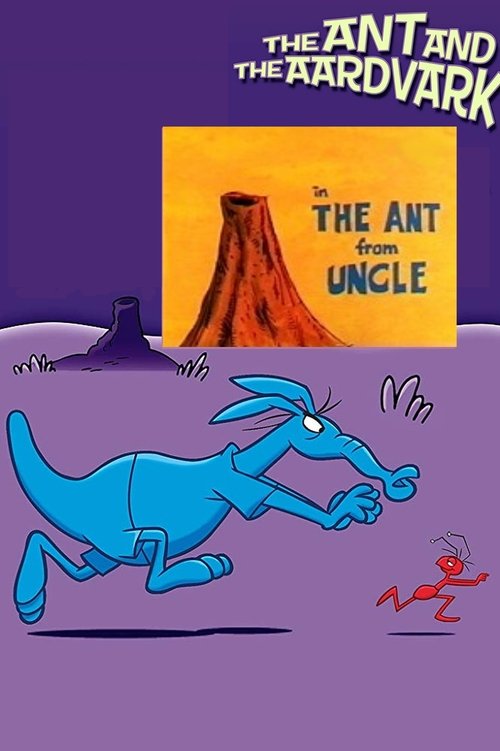
1969
No reviews yet. Be the first to share your thoughts on this movie!
Use the rating form above to leave a star rating and optional review.