The Homeless Flea
1940
No user ratings available yet
Representation score: 0.3 out of 10
Representation Score
Minimal
1948
ApprovedDirector
Arthur Davis
Runtime
7 minutes
Average Rating
No ratings yetNew Showbiz Analysis
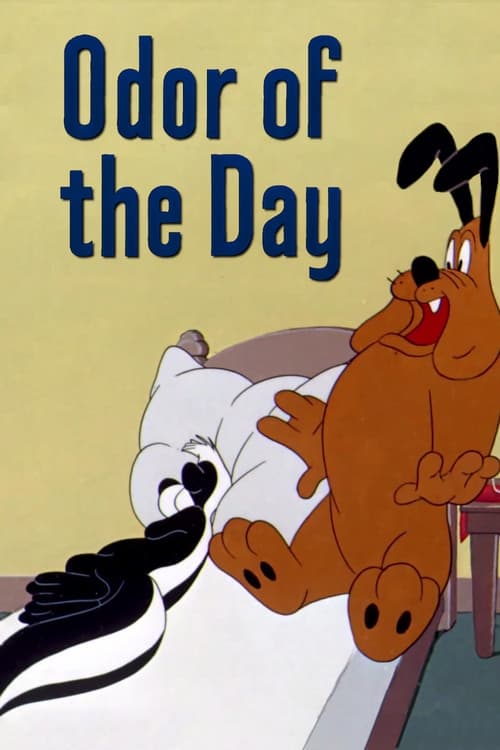
Odor of the Day is a quintessential mid-century animated short that prioritizes slapstick humor over social commentary. The narrative centers on a territorial dispute between a stray dog and a skunk, using olfactory conflict as its primary comedic engine. Because the characters are anthropomorphic animals, the film avoids human-centric social hierarchies. However, it also lacks any meaningful representation of race, gender, or identity, functioning instead as a baseline for conventional, non-subversive media of its era.
Category Breakdown
The film focuses entirely on a rivalry between animals and does not depict any non-straight or non-cisgender identities or same-sex relationships.
Since the main characters are animals, traditional human gender roles are not present. The film relies on standard comedic clichés without challenging gender stereotypes.
The story lacks human racial or ethnic representation. The setting reflects a homogeneous Western environment typical of 1940s animation.
The story reinforces traditional Western ideas of home and shelter. It operates within the conventional boundaries of mid-century family entertainment.
There is no exploration of neurodivergence or physical disabilities. The skunk's scent serves as a comedic device rather than a nuanced character trait.
Present on Screen
Limited or Absent
Official Synopsis
On a cold winter's day, a stray dog is looking for shelter, then finds and sneaks into a cabin with an open fireplace and a cozy bed. But he has a stinky rival for occupancy of the cabin - a skunk.
1940
1945
1969
1952
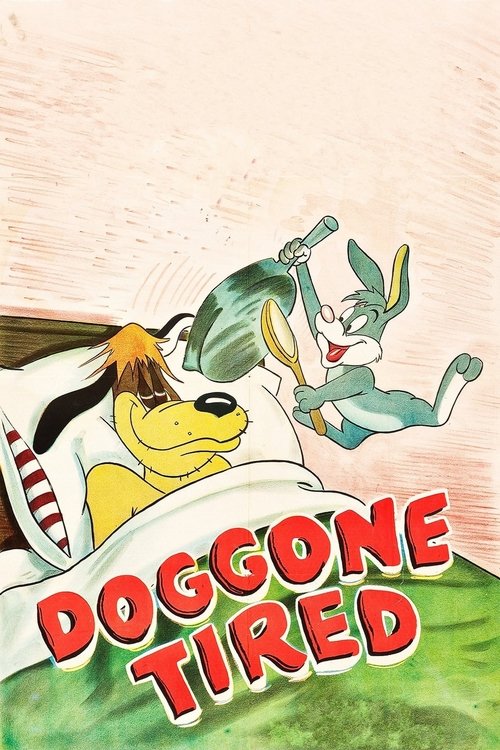
1949
1954
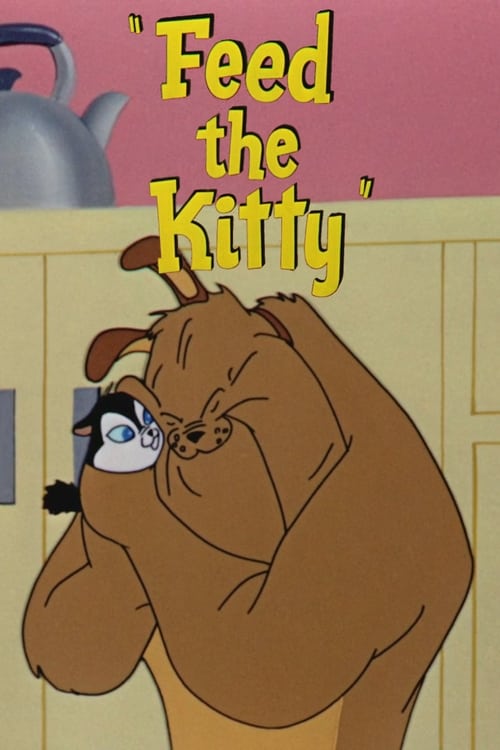
1952
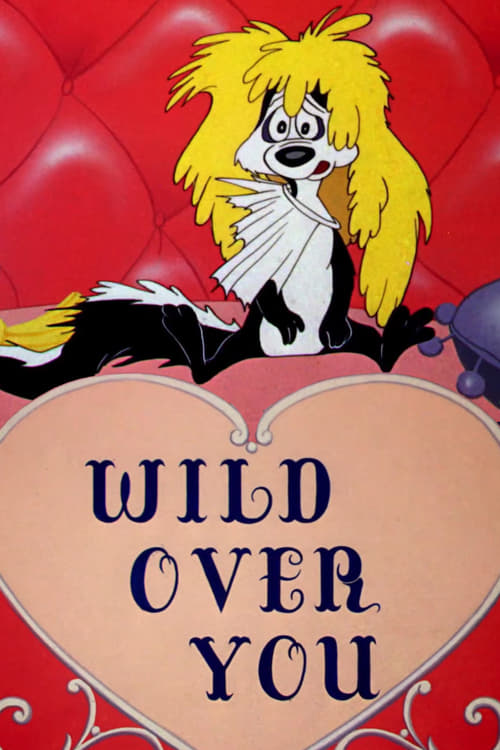
1953
No reviews yet. Be the first to share your thoughts on this movie!
Use the rating form above to leave a star rating and optional review.