
Bully
2001
No user ratings available yet
Representation score: 5.1 out of 10
Representation Score
Minimal
2004
RDirector
Benjamin Louis
Runtime
89 minutes
Average Rating
No ratings yetNew Showbiz Analysis
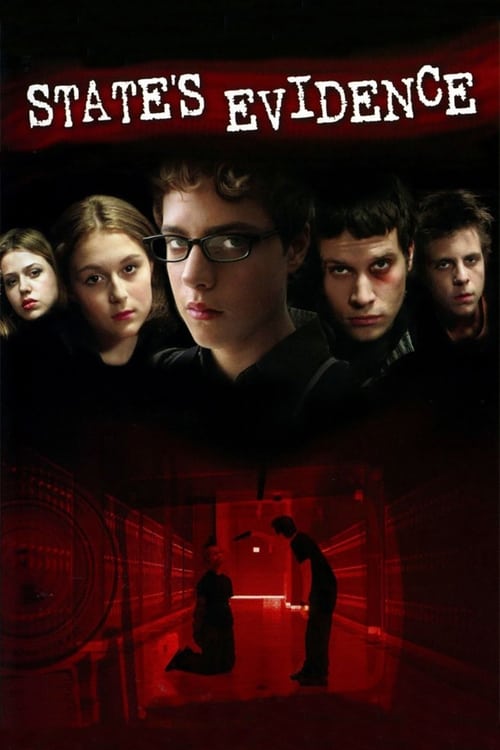
State's Evidence operates as a narrow, genre-driven psychological thriller. The narrative is tightly focused on a specific, isolated plot involving a suicide pact among high school students. Because the story centers on individual pathology and the breakdown of interpersonal trust, it lacks the structural breadth to engage with broader social or cultural perspectives. Ultimately, the work functions as a study of malevolence within a small group, leaving little room for diverse social or cultural perspectives.
Category Breakdown
The film does not include any explicit LGBTQ+ characters or non-cisgender identities. There is no confirmed plot point addressing assumptions about everyone being straight or cisgender.
The narrative focuses on a group of teenagers without specifying gender dynamics. There is no evidence suggesting the subversion of traditional gender roles or nuanced gender-based storylines.
The synopsis provides no information regarding the racial or ethnic composition of the cast. There is no documented evidence of characters of color driving the narrative.
The film explores themes of teenage nihilism and the breakdown of social stability. It prioritizes psychological exploration over traditional institutional or family cohesion.
There is no indication that neurodivergence or physical disabilities are central themes. The plot focuses on psychological distress rather than specific disability representation.
Present on Screen
Limited or Absent
Official Synopsis
Six high school teenagers decide to commit suicide together, but their plans soon go awry when one of them has something darker in mind as well.
2001

2003

2008

2005

2008

2001

2003

1986
No reviews yet. Be the first to share your thoughts on this movie!
Use the rating form above to leave a star rating and optional review.