Love Story
1942
No user ratings available yet
Representation score: 1.8 out of 10
Representation Score
Fair
1933
Director
Walter Ruttmann
Runtime
67 minutes
Average Rating
No ratings yetNew Showbiz Analysis
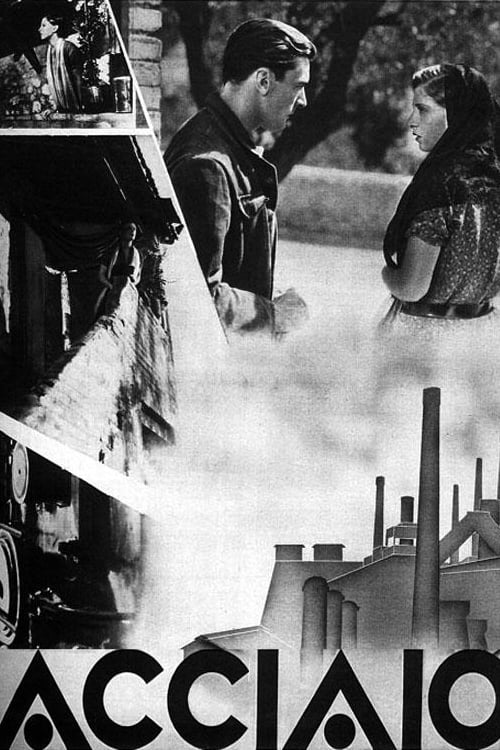
Steel is a period-specific industrial drama that prioritizes the tension between human life and systemic industrial forces. While it lacks modern multi-layered markers, it offers a compelling look at the volatility of the working class. The film's strength lies in its potential critique of institutional stability and the dangers of the industrial era. However, it remains limited by the social hierarchies and assumptions that everyone is straight or cisgender of its time. Ultimately, the work functions more as a study of systemic pressure and social ostracization than a diverse character study.
Category Breakdown
The film follows a conventional romantic rivalry between two men for a female lead. It adheres to standard frameworks that assume everyone is straight or cisgender without showing any non-cisgender identities.
The story centers on a male-dominated industrial environment. While Gina is a central character, her role is largely defined by the romantic interests of the male protagonists.
Set in Terni, Italy, the film focuses on a localized working-class context. The cast appears ethnically homogeneous, reflecting the social constraints of 1933 Italy.
The narrative explores the friction between individuals and the industrial machine. It critiques systemic progress by depicting the human tragedy inherent in fatal factory accidents.
A workplace fatality serves as a structural plot device to drive tension. There is no evidence of characters with disabilities being portrayed with nuanced roles.
Present on Screen
Limited or Absent
Official Synopsis
In the huge steel factories in Terni (Umbria, Italy), two friends: Mario and Pietro, fight for the love of the same girl, Gina. Pietro dies because of a work accident at the factory. The other workers think Mario is responsible for the death of his friend. Mario, who is innocent, is forced to quit, but his love for Gina and his dedication to his job help him out of his crisis.
1942
1963
1970
1925
1935
1954
1974
1928
No reviews yet. Be the first to share your thoughts on this movie!
Use the rating form above to leave a star rating and optional review.