Trees
2013
No user ratings available yet
Representation score: 3.3 out of 10
Representation Score
Good
2018
Director
Mindaugas Survila
Runtime
85 minutes
Average Rating
No ratings yetNew Showbiz Analysis
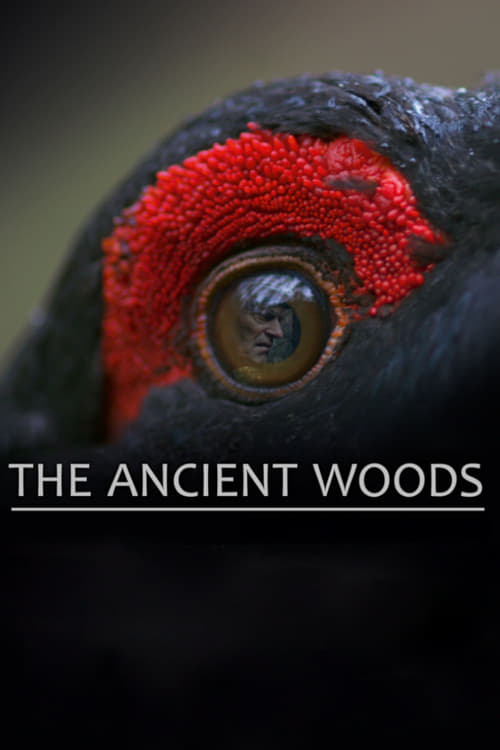
The Ancient Woods stands as a radical departure from typical documentary conventions. It shifts away from human-centric storytelling to emphasize an ecological perspective, eliminating dialogue and commentary to highlight the natural world. While the film does not engage with human social structures like race or gender, its refusal to impose these frameworks disrupts conventional storytelling methods. It emphasizes the 'otherness' of the forest over human-centric narratives. Ultimately, the film provides a meditative exploration of coexistence. It values existence for its own sake, presenting a post-humanist framework where biological cycles take precedence over human institutions.
Category Breakdown
The film does not feature any human characters or social identities. It observes biological mating rituals without assigning social or gendered meanings.
By excluding humans, the film avoids traditional gender roles. There are no depictions of leadership, domestic life, or social roles based on gender.
The focus is on the ecosystem rather than human diversity. The film showcases a wide variety of biological species within a single habitat.
The work challenges traditions centered around humans by shifting the focus away from human experiences. It promotes a non-human perspective by avoiding authoritative narration and moral lessons.
Since there are no human subjects, the film does not address neurodivergence or physical disabilities. It focuses on organisms governed by biological laws.
Present on Screen
Limited or Absent
Official Synopsis
A poetic and atypical nature film about the various inhabitants of an old-growth forest, on the ground, in the air and in the water. There's no commentary, only the rich, almost palpable sounds of the forest and the magical situations captured by the camera. Although we might sometimes be puzzled as to what's actually happening a mating ritual or the start of a fight? the lack of explanation leaves space for us to associate freely and simply experience the images. The film offers a close-up view of a wide range of creatures such as the insect that appears out of the melting snow, gradually begins to move and impatiently waits until all its legs are free so it can fly away. The scale of the portraits is sometimes grand and at other times modest, but always filmed with precision, whether in daylight or at night. Time doesn't seem to matter in this extraordinary piece of slow cinema.
2013
1996
2013
2013
2015
2021
2012
2021
No reviews yet. Be the first to share your thoughts on this movie!
Use the rating form above to leave a star rating and optional review.