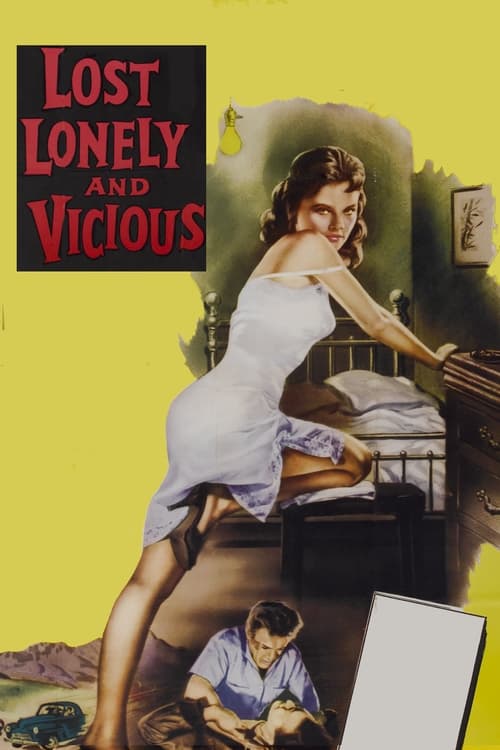
Lost, Lonely and Vicious
1958
No user ratings available yet
Diversity score: 2.6 out of 10

1958
NRDirector
Art Napoleon
Runtime
121 minutes
Average Rating
No ratings yetSynopsis
The daughter of iconic actor John Barrymore is reunited with her father after a ten year estrangement and engages in his self-destructive lifestyle.
Overall Score
Limited
Category Breakdown
LGBTQ+ Representation
The film lacks any depiction of non-heteronormative identities or same-sex intimacy. The story focuses entirely on a traditional familial reunion.
Gender Representation
While the film features a female protagonist, her role appears tied to her father's chaos. There is no evidence of subverting gender hierarchies.
Racial & Ethnic Diversity
The production likely reflects the homogeneous casting standards of 1958. No diverse ensemble or race-bent casting is indicated in the narrative.
Religious & Cultural Diversity
The drama operates within traditional Western tropes of individual morality. It lacks themes that would disrupt the cultural status quo of the era.
Disability Representation
There is no information available regarding the depiction of physical or neurodivergent disabilities in this work.
Strengths
Areas for Improvement
AI Analysis
Too Much, Too Soon is a mid-century character study centered on familial estrangement and self-destructive behavior. The narrative focuses on the psychological struggle between a daughter and her father, modeled after John Barrymore. Because the film prioritizes individual interpersonal dynamics over systemic or identity-based critiques, it lacks intersectional depth. The storytelling adheres to the conventional cinematic frameworks of the late 1950s. Ultimately, the film functions as a traditional drama rather than a vehicle for social or cultural subversion.
1958
1961
1976
1952
2012
1932
1949
1957
1961
1947
1955
1973
No reviews yet. Be the first to share your thoughts on this movie!
Use the rating form above to leave a star rating and optional review.