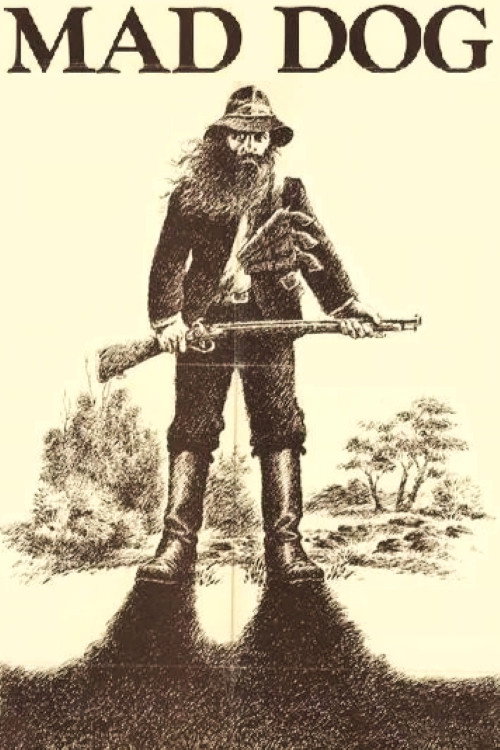
Mad Dog Morgan
1976
No user ratings available yet
Representation score: 2.2 out of 10

Representation Score
Minimal
2023
PG-13Director
Charlie Griak
Runtime
139 minutes
Average Rating
No ratings yetNew Showbiz Analysis
End of the Rope is a traditional Western film that explores crime and communal retribution. Set in 1931 North Dakota, the story revolves around a community seeking extrajudicial justice after a mass murder. The film adheres to conventional historical storytelling, focusing on a specific violent incident. It reinforces traditional social structures and archetypes common to the crime drama genre, rather than addressing multi-layered identities. Due to its historical setting and localized focus, the film lacks the broad representation seen in more contemporary, subversive works.
Category Breakdown
The film does not include any characters with non-straight identities. It focuses on a traditional crime and punishment storyline set in a historical Western context.
The story seems to center around traditional masculine roles involving violence and justice. There is no indication of women playing significant roles or challenging gender norms.
Set in 1931 North Dakota, the film likely depicts a homogeneous population typical of that time. It emphasizes a local, historically specific social structure.
The story examines vigilantism and community justice through the lens of frontier justice. It focuses on moral retribution rather than questioning systemic issues.
There is no mention of characters with visible or invisible disabilities. The narrative does not address disability representation.
Present on Screen
Limited or Absent
Official Synopsis
When a sociopathic hired hand murders an entire family, the town of Schafer, North Dakota, rises up to take justice into their own hands. Based on the true story of the infamous Charles Bannon case of 1931.
1976
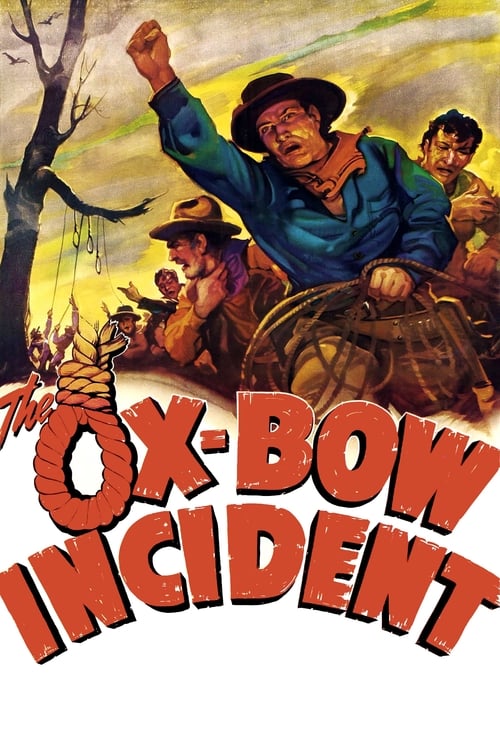
1943

2017
1971

2014

1939
2020
2018
No reviews yet. Be the first to share your thoughts on this movie!
Use the rating form above to leave a star rating and optional review.