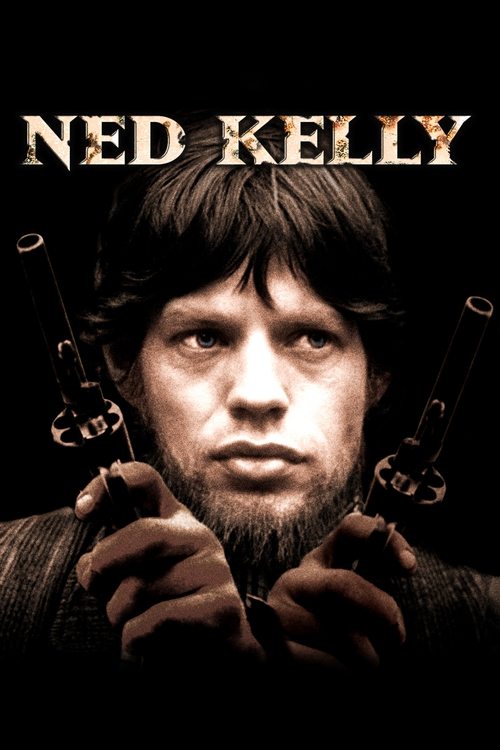
Ned Kelly
1970
No user ratings available yet
Representation score: 3.0 out of 10
Representation Score
Limited
1976
RDirector
Philippe Mora
Runtime
102 minutes
Average Rating
No ratings yetNew Showbiz Analysis
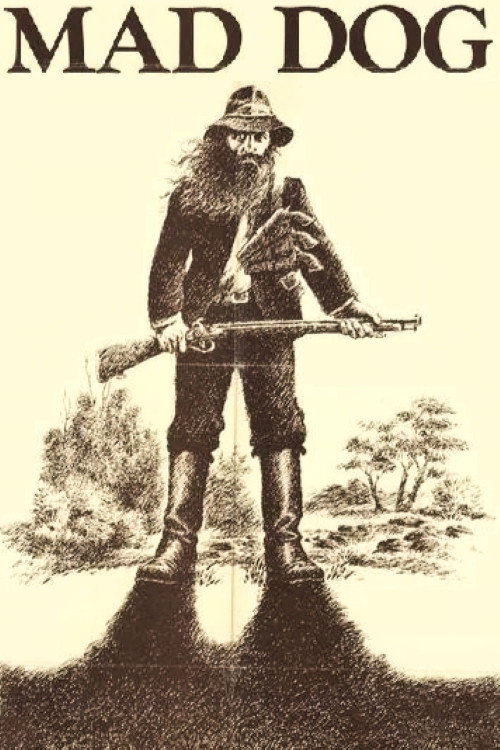
Mad Dog Morgan is a revisionist Western that prioritizes anti-authoritarian themes over diverse representation. While it lacks LGBTQ+ and disabled characters, it stands out for its ideological critique. The film serves as a critique of colonial authority, using the protagonist's rebellion to question the legitimacy of the state. This provides a sophisticated form of progressive engagement through anti-institutionalism. However, the film remains tied to the era's limitations regarding gender and race. It upholds traditional masculine archetypes and follows the conventions of depicting Indigenous populations typical of the time.
Category Breakdown
The film does not include any LGBTQ+ characters or explore queer relationships. It focuses on the heterosexual relationships typical of the 19th-century colonial frontier.
Female characters are confined to supporting or domestic roles and have little influence over the plot. The story emphasizes male-driven conflicts and traditional masculine roles.
The cast mainly consists of white settlers, reflecting the demographics of 1850s Australia. While Indigenous Australians are present, they do not have prominent or nuanced roles.
The film effectively critiques traditional Western institutions. It portrays the colonial government as a rigid, oppressive force through the actions of an outlaw rebelling against British law.
There are no significant depictions of physical, sensory, or neurodivergent disabilities in the film.
Present on Screen
Limited or Absent
Official Synopsis
The true story of Irish outlaw Daniel Morgan, who is wanted, dead or alive, in Australia during the 1850s.
1970
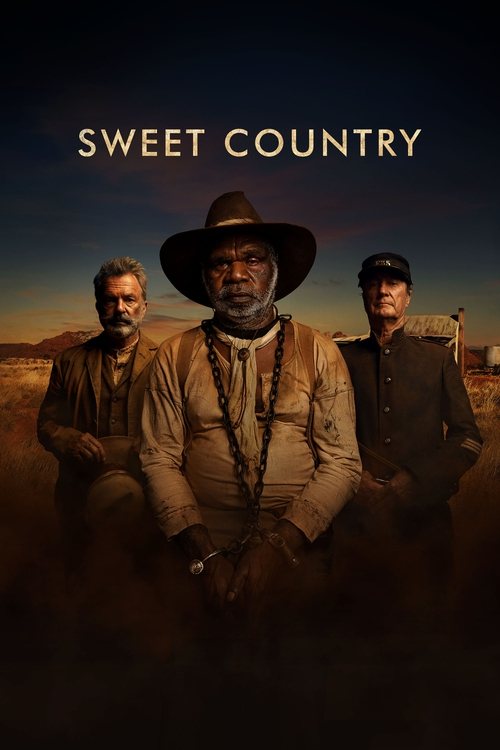
2018
1978
1990
2016

2005

2006
2014
No reviews yet. Be the first to share your thoughts on this movie!
Use the rating form above to leave a star rating and optional review.